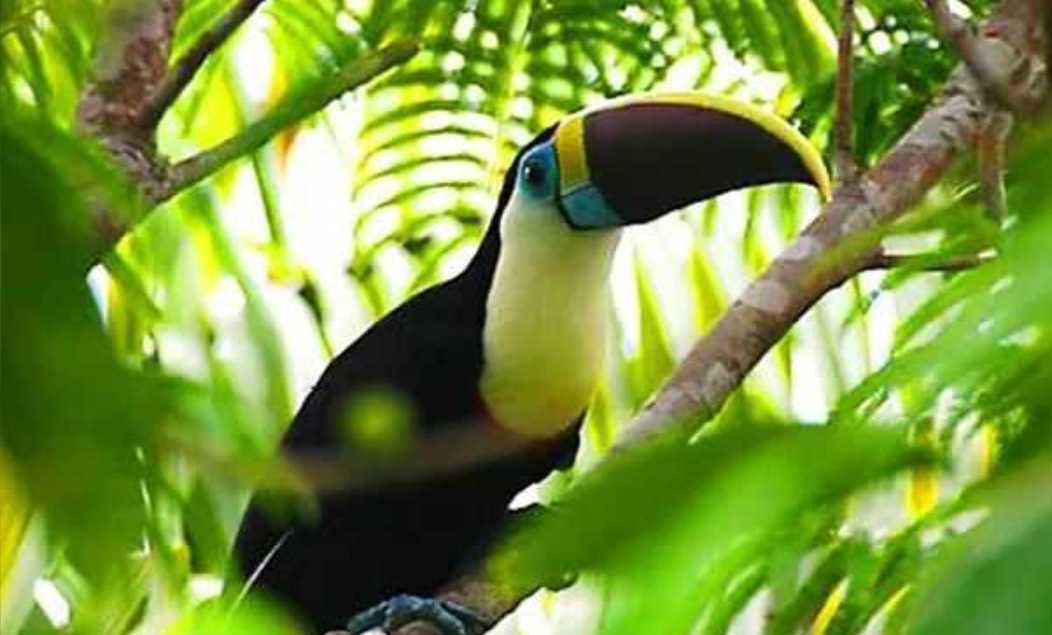
Ramphastos ambiguus: The Yellow-Throated Toucan of Central and South American Rainforests
Ramphastos ambiguus, the yellow-throated toucan, is a striking avian species endemic to the lush rainforests of Central and South America. Renowned for its vibrant plumage and distinctive call, this bird stands out as a charismatic inhabitant of tropical canopies, playing a crucial role in the region’s ecosystem.
1 minute read
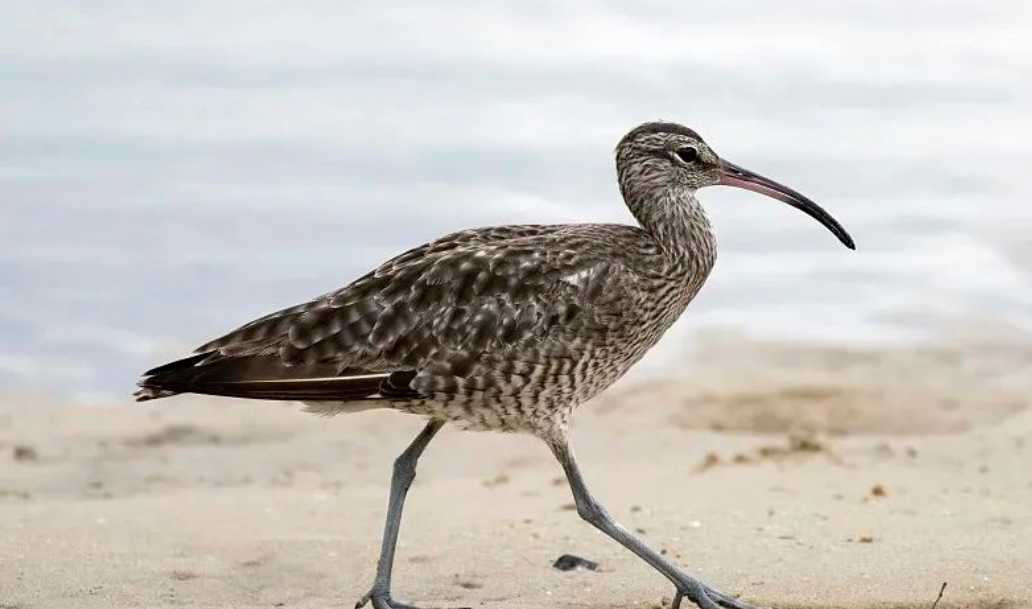
Numenius madagascariensis: The Migratory Giant of East Asian and Australian Wetlands
Numenius madagascariensis, commonly known as the Far Eastern curlew, stands as one of the largest migratory wading birds, undertaking epic journeys between East Asia and Australia. Renowned for its extensive migrations and distinctive appearance, this avian species plays a crucial ecological role in the diverse wetlands and coastal ecosystems it traverses.
2 minute read
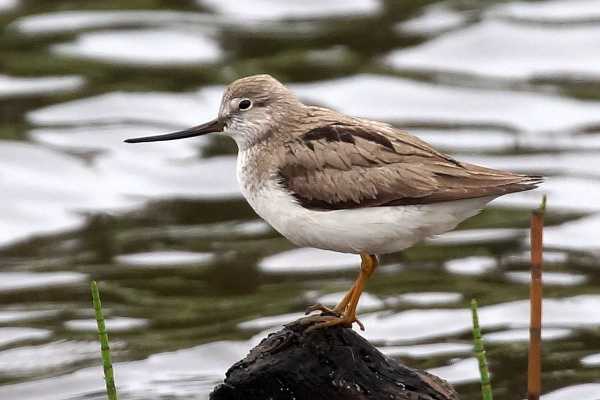
Xenus cinereus: The Agile Migrant Connecting East Asia and Australia
Xenus cinereus, commonly known as the upturned-bill sandpiper, is a remarkable medium-sized wading bird that undertakes an impressive migratory journey between East Asia and Australia. Renowned for its unique foraging adaptations and ecological role, this species is a vital component of the coastal and wetland ecosystems it traverses during its annual migrations.
2 minute read
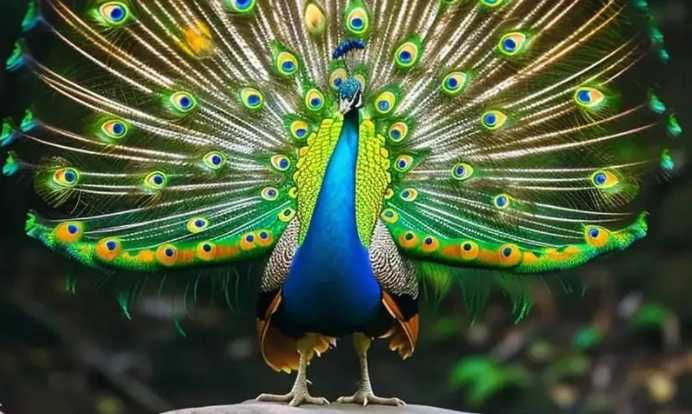
The Peacock: Nature’s Ornate 'King of Birds' and Symbol of Splendor
Hailed as the "King of Birds" (outshining the mythical phoenix in real-world grandeur), the peacock captivates with its resplendent plumage, long revered as a symbol of good fortune and nobility. A member of the pheasant family, this majestic bird comprises two species: the blue peacock native to South Asia—India’s national bird—and the green peacock, a critically endangered resident of Southeast Asia and China’s Yunnan province, protected as a national first-class animal.
1 minute read
The Wood Duck: North America’s Jeweled Waterfowl and Living Work of Art
Scientifically named Aix sponsa—Latin for "bird as beautiful as a bride"—the wood duck is a petite tree-dwelling waterfowl measuring 47–54 cm. Native to North America’s lakes, wetlands, and forested waterways, it feasts on acorns and aquatic insects, blending arboreal agility with aquatic grace.
1 minute read

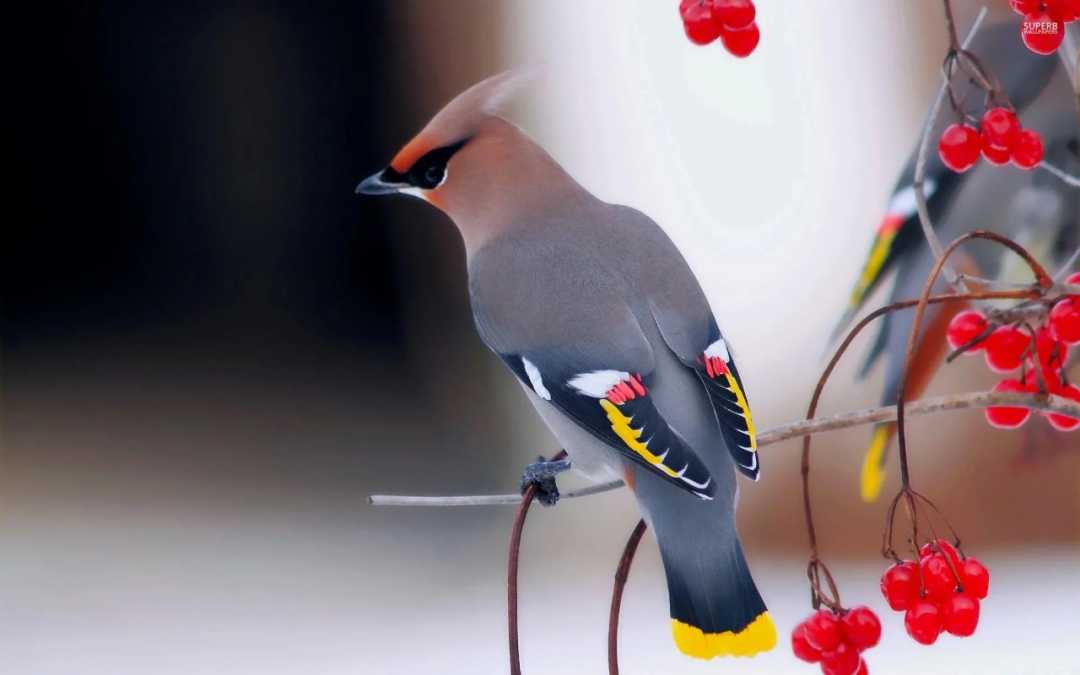
The Bohemian Waxwing: A Northern Forest Jewel in Silken Plumage
Scientifically named Bombycilla garrulus, the Bohemian waxwing is a medium-sized songbird of the Passeriformes order, measuring 18 cm in length. Inhabiting boreal forests across northern North America and Eurasia, it undertakes minor winter migrations, feasting primarily on berries and boasting a lifespan of around 13 years.
1 minute read
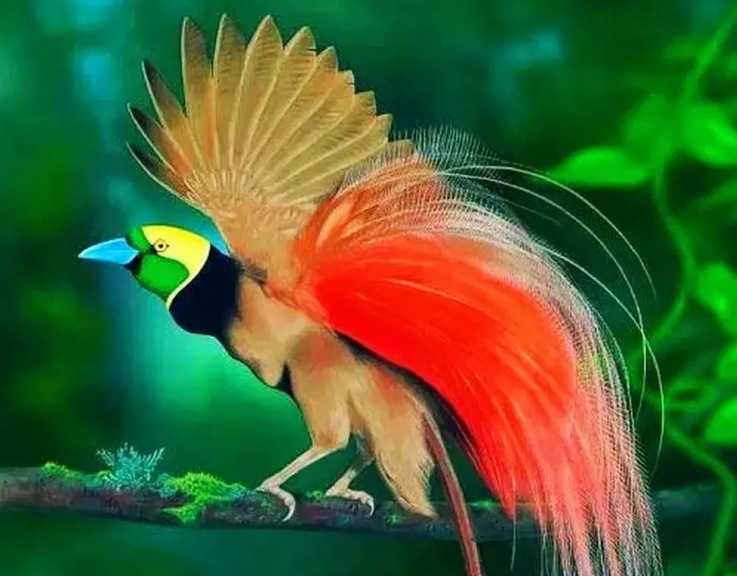
The Greater Bird of Paradise: New Guinea’s Avian Wonder Once Thought a Myth
Endemic to New Guinea, the greater bird of paradise (Paradisaea apoda) belongs to the Paradisaeidae family, feasting on fruits and insects. So extraordinary is its beauty that 19th-century European naturalists doubted its existence, suspecting its vividly plumed specimens were fraudulent "mythical creatures."
1 minute read
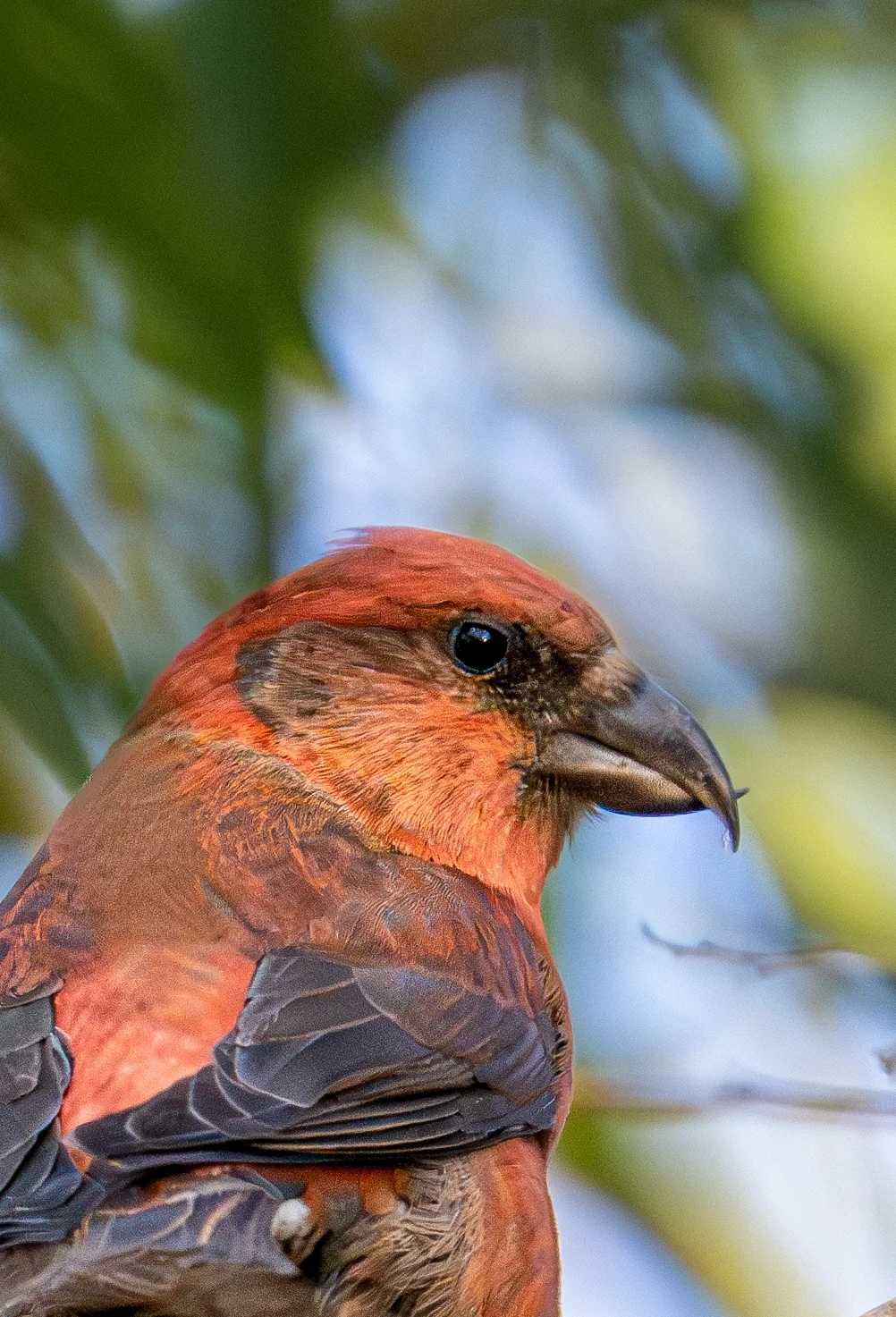
Loxia curvirostra: The Enigmatic Crossbill of Northern Coniferous Forests
Loxia curvirostra, commonly known as the common crossbill, is a small yet captivating songbird renowned for its distinctive bill shape and adaptability to the cold, dense coniferous forests of the Northern Hemisphere. As a key inhabitant of these ecosystems, it plays a vital role in seed dispersal and forest dynamics.
2 minute read
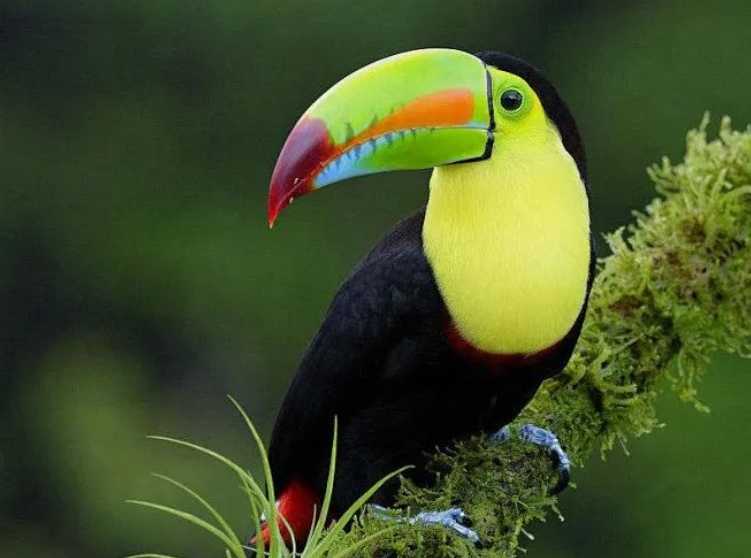
The Keel-billed Toucan: Central America’s Colorful Beak Masterpiece
Scientifically named Ramphastos sulfuratus, the keel-billed toucan belongs to the Ramphastidae family, measuring 42–55 cm in length. Inhabiting lowland rainforests from Mexico to Colombia in Central America, this fruit- and insect-eating bird holds the honor of being Belize’s national bird, captivating all with its striking appearance.
1 minute read
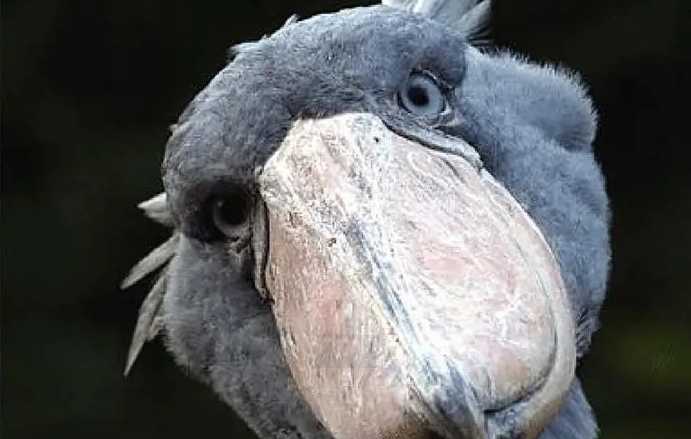
Balaeniceps rex: The Majestic Shoebill Stork of African Wetlands
Balaeniceps rex, commonly known as the shoebill stork, is an imposing and enigmatic large wading bird that commands attention with its unique appearance and elusive nature. Endemic to the vast swampy wetlands of central and eastern Africa, this species stands as a symbol of the continent’s rich aquatic ecosystems and the delicate balance of its natural habitats.
2 minute read
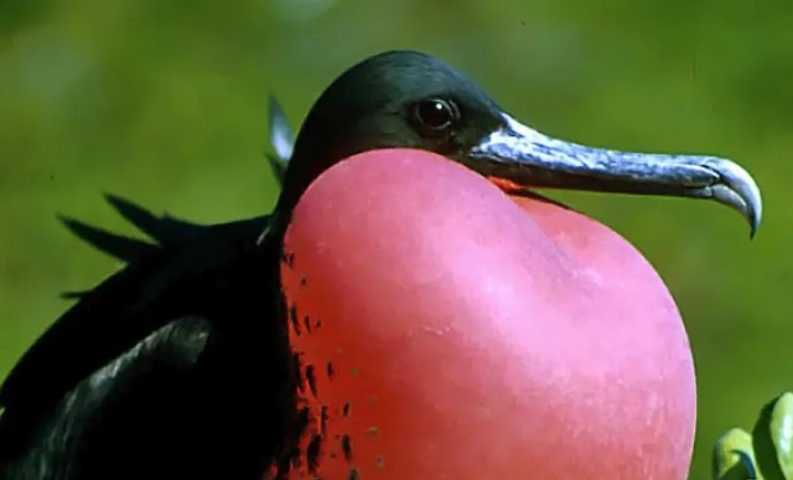
Fregata magnificens: The Regal Magnificent Frigatebird of Tropical Oceans
Fregata magnificens, commonly known as the magnificent frigatebird, is a towering seabird that commands the skies over tropical marine ecosystems. With its imposing size and aerial prowess, this species is a symbol of the open ocean’s grandeur, thriving in the warm waters and island-dotted landscapes of the tropics.
2 minute read
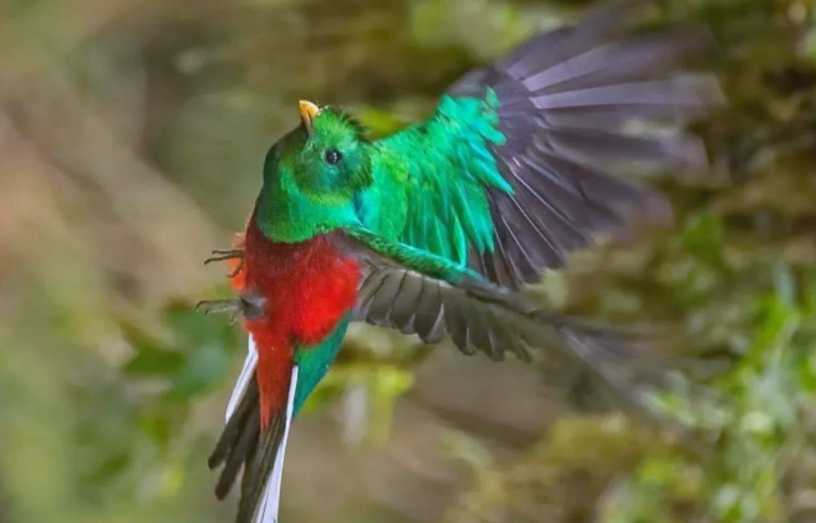
The Resplendent Quetzal: Mesoamerica’s Emerald Avian Deity and Symbol of Freedom
Scientifically named Pharomachrus mocinno, this trogon is endemic to Central American rainforests, measuring 35 cm in length and feasting on insects and fruits. Its cultural significance rivals its biological splendor: in ancient Maya civilization, it was revered as the incarnation of the feathered serpent god Quetzalcoatl, with its emerald plumage reserved exclusively for royalty. Today, it serves as Guatemala’s national bird, embodying freedom and divinity.
1 minute read
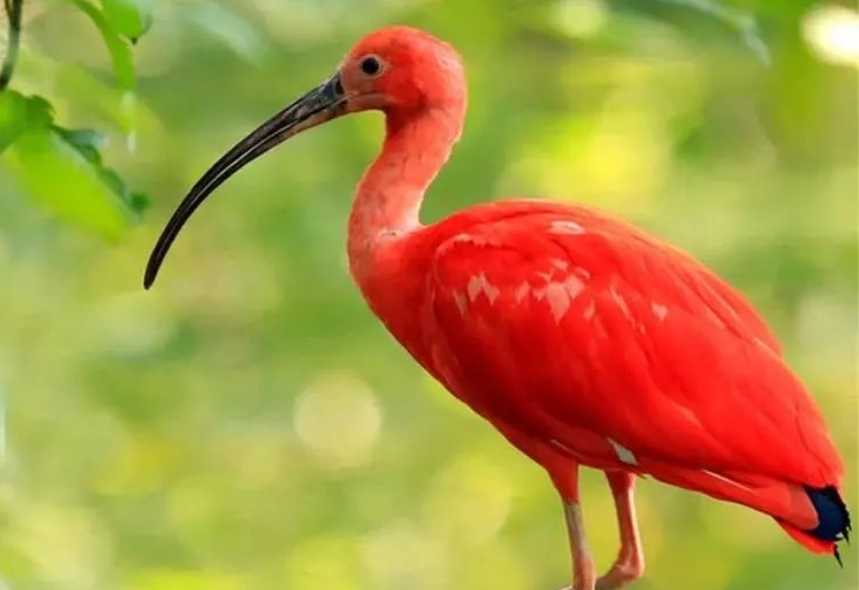
The American Flamingo: Nature’s Most Vibrant Scarlet Wonder
Scientifically named Phoenicopterus ruber, this stork-like wading bird measures 56–61 cm, inhabiting coastal wetlands, mangroves, and marshes across northern South America. Feeding on crabs and small fish, it boasts a wild lifespan of 15 years—reaching 20 in captivity. As the national bird of Trinidad and Tobago, it earns its fame from a singular trait: every feather, down to its legs, blazes in nature’s most intense scarlet, a hue so vivid it’s dubbed the "world’s reddest bird."
1 minute read
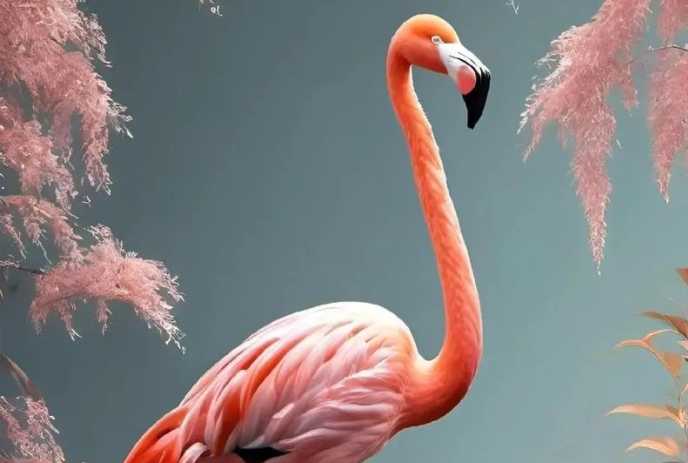
The Flamingo: Nature’s Pink Ballet Dancers and Solar Symbols
Scientifically classified under Phoenicopteridae, flamingos are majestic wading birds spanning 1–2 meters in length, comprising 3 genera and 6 species. Inhabiting salt lakes and marshy shallows across Africa, South America, and India, these social birds form massive flocks, feasting on algae and shrimp. Revered by the ancient Greeks as incarnations of Apollo, the sun god, their elegance has captivated human imagination for millennia.
1 minute read
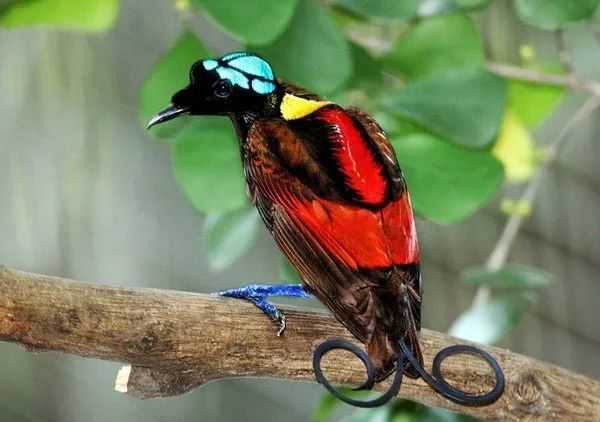
Wilson's Bird-of-Paradise: New Guinea’s Living Masterpiece of Avian Artistry
Scientifically named Diphyllodes respublica, this diminutive bird-of-paradise inhabits New Guinea’s rainforests, measuring around 20 cm and feasting on fruits and insects. Hailed as one of the world’s most beautiful birds, its compact form is a canvas of nature’s boldest palette: emerald green, sunshine yellow, jet black, snow white, and vivid blue, seamlessly blended in an evolutionary tour de force.
2 minute read