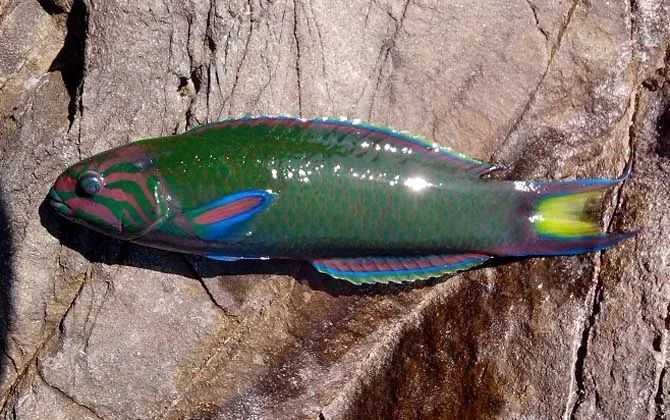
Trachyphyllia Geoffroyi: The Enigmatic "Eight-Shaped" Brain Coral of Tropical Reefs
Trachyphyllia geoffroyi, commonly known as the open brain coral or "eight-shaped" brain coral, is a striking representative of the Merulinidae family within the class Anthozoa. Thriving in the shallow tropical sands and reef zones of Indonesia and other warm coastal regions, this coral earns its name from its skeletal structure, which famously resembles the numeral "8." Unlike many corals, its growth pattern transforms a simple conical base into a complex, symmetrical form that captivates both scientists and enthusiasts.
1 minute read
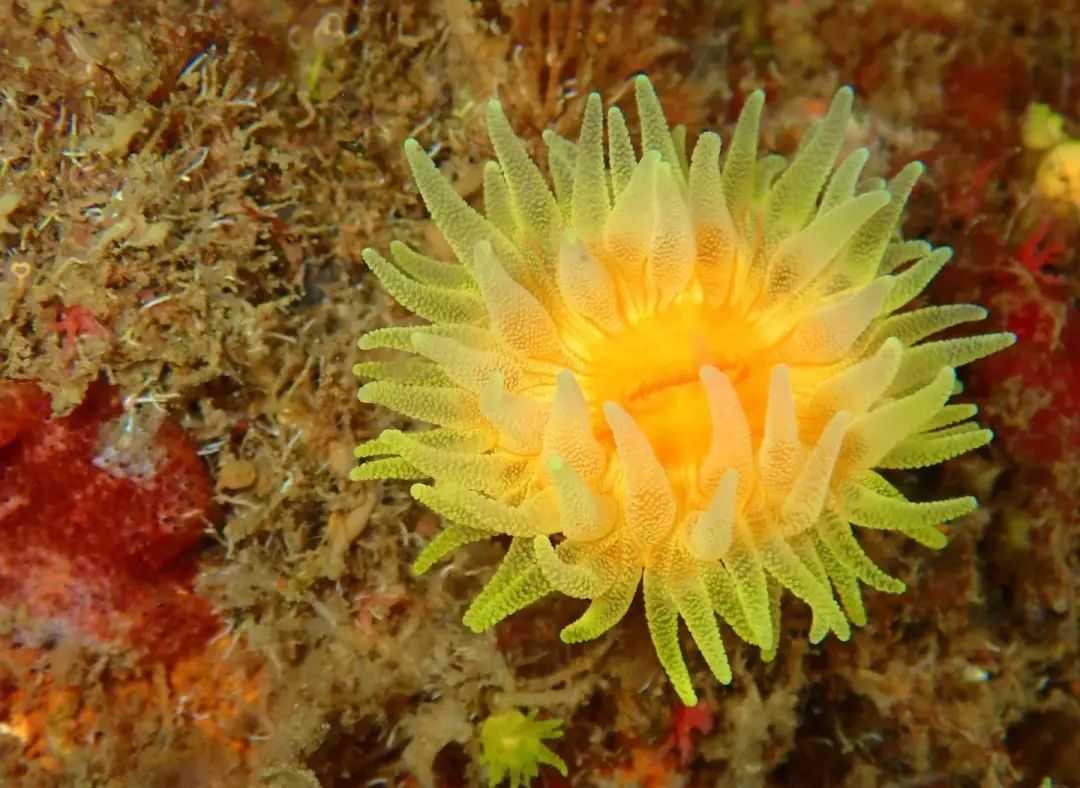
Sarcophyton: The Captivating Leather Mushroom Coral of the Reefs
Sarcophyton, commonly known as the leather mushroom coral or fleshy soft coral, is a highly prized species in the soft coral family, celebrated for its striking appearance and popularity among aquarium enthusiasts. Thriving in tropical marine environments, this coral earns its nickname from its unique texture and shape: a short, robust trunk supports a top resembling a folded leather disk or undulating wave, evoking the look of a natural umbrella or sculpted fabric beneath the waves.
1 minute read
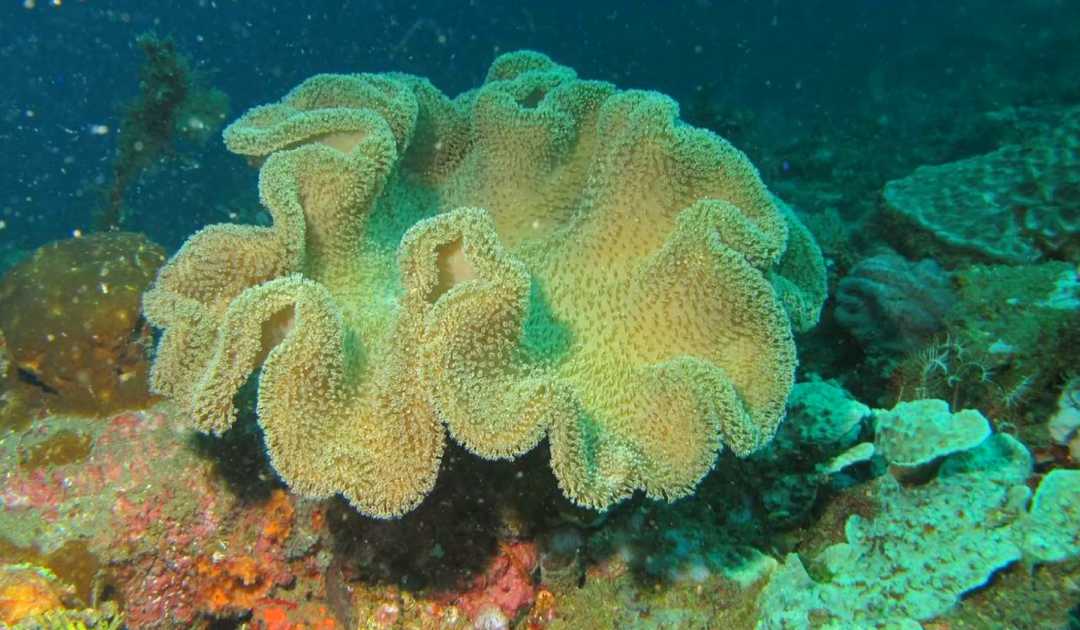
Sinularia asterolobata: The Graceful "Finger Coral" of Tropical Reefs
Sinularia asterolobata, a popular species in the aquarium trade, belongs to the Alcyonacea order within the soft coral family, thriving in the vibrant ecosystems of the Red Sea to the Pacific Ocean. Found in strong-current coral reefs at around 10 meters depth, this marine organism earns its common name from its distinctive morphology: fleshy, rounded structures that resemble a cluster of upturned fingers extending from the ocean floor.
1 minute read
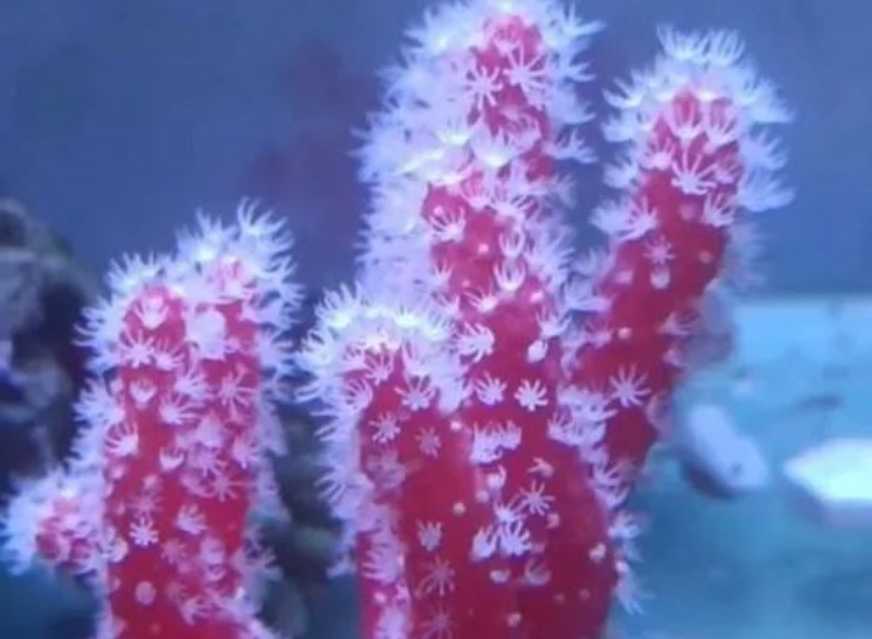
Clavularia spp.: The Alluring Gloves of the Ocean Floor
Clavularia spp., commonly known as glove polyps or gloved hydroids, are enchanting marine invertebrates belonging to the subclass Octocorallia. Revered in the aquarium trade for their stunning appearance and ease of care, these creatures add a touch of underwater elegance to both natural reefs and home aquariums. Their name stems from the unique shape of their extended tentacles, which resemble delicate gloves or blooming petals.
1 minute read
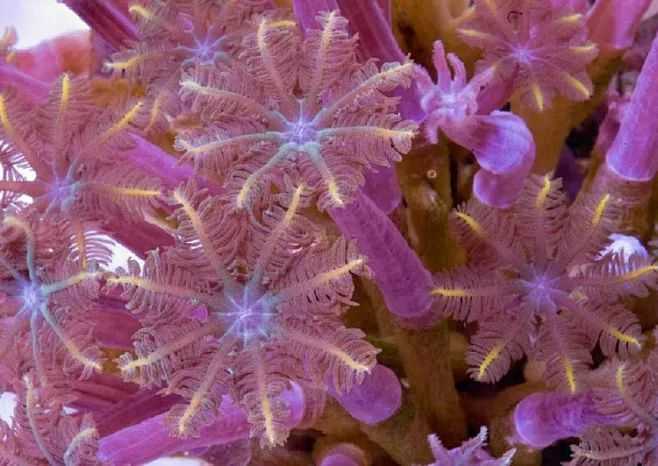
Trachyphyllia geoffroyi: The Living Underwater Masterpiece of the Indian-Pacific
Trachyphyllia geoffroyi, a marine marvel within the order Scleractinia of the phylum Cnidaria, thrives in the reefs and sandy substrates of the Indian-Pacific Ocean. Capable of growing up to an astonishing 1.8 meters, this coral species captivates with its distinct appearance, earning its name from a striking resemblance to the intricate folds of the human brain. Its unique structure and vibrant hues make it a standout inhabitant of the ocean’s depths.
1 minute read
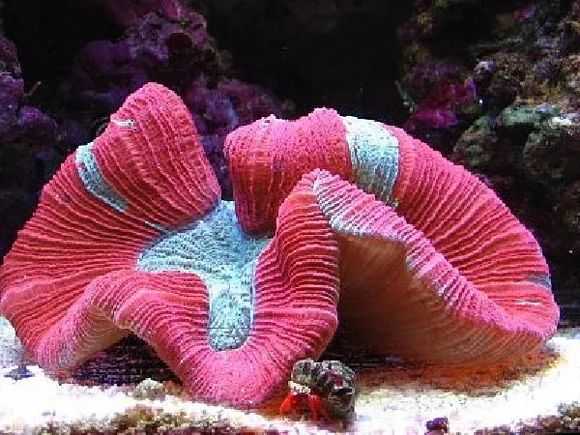
Metarhodactis sp.: The Enchanting "Mushroom Garden" of the Indian Ocean
Metarhodactis sp., a captivating species within the order Alcyonacea of the phylum Cnidaria, thrives in the tropical waters of the Indian Ocean. Renowned in the aquarium trade for its hardiness and dreamlike appearance, this coral—nicknamed the "tiger ear mushroom coral"—adds a whimsical touch to both natural reefs and marine tanks. Its unique form and vibrant colors have solidified its status as a sought-after centerpiece in underwater landscapes.
1 minute read
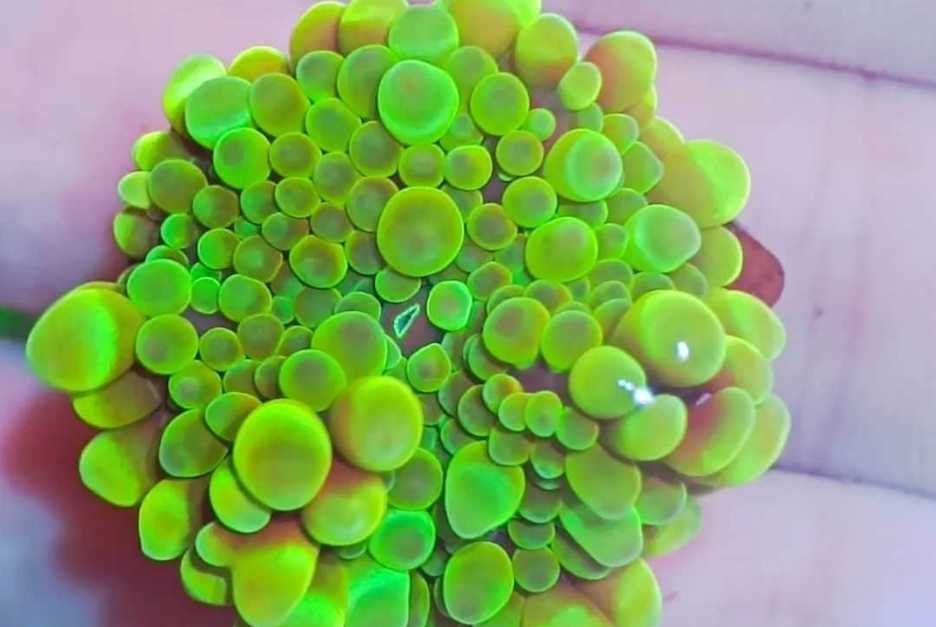
Melithaea spp.: The Graceful Fan Corals of Tropical Reefs
Melithaea spp., members of the Gorgoniidae family, inhabit the warm reef slopes and caves of the Indo-Pacific Ocean, thriving at depths of 10 to 40 meters. Named for their striking resemblance to unfolded folding fans, these corals are among the most elegant inhabitants of the marine world, blending intricate architecture with vibrant colors to create living masterpieces beneath the waves.
1 minute read
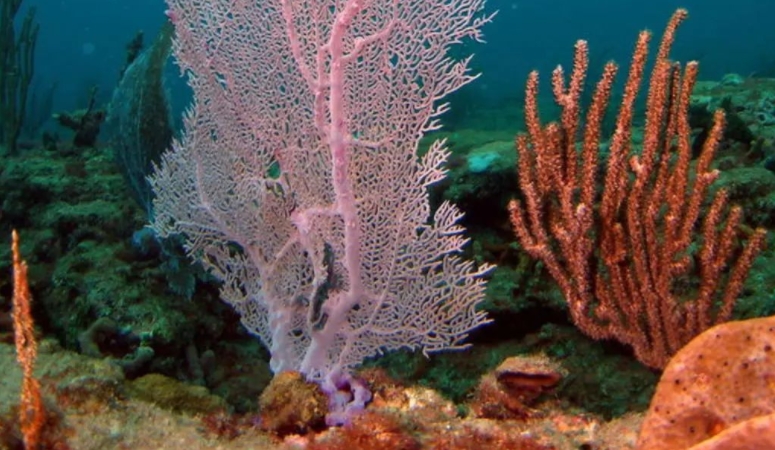
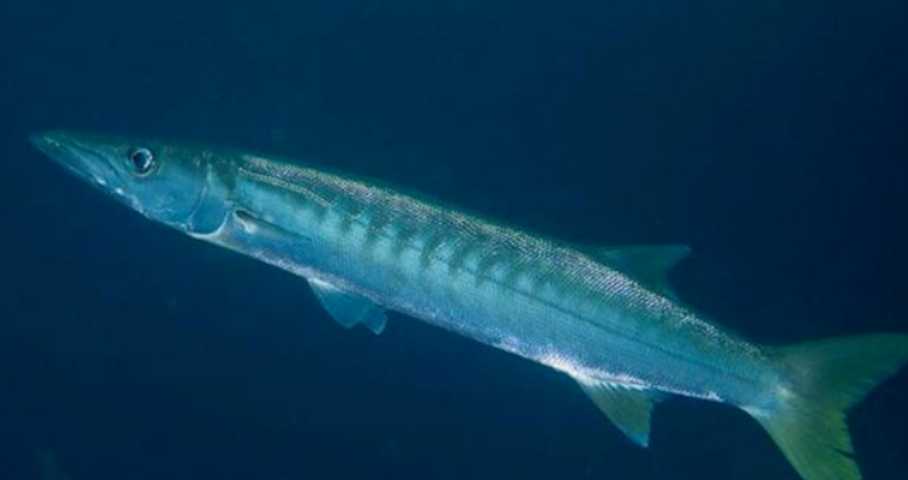
Barracudas: Swift and Formidable Predators of the Open Seas
Barracudas are renowned for their lightning-fast swimming speed and sleek, serpentine bodies, making them one of the ocean’s most efficient hunters. With elongated forms resembling aquatic snakes and rows of razor-sharp teeth that rival those of piranhas, these fish cut an intimidating figure in tropical and subtropical waters worldwide. Their streamlined physique and powerful tails allow them to accelerate rapidly, often reaching speeds of up to 40 kilometers per hour, enabling sudden, devastating strikes on unsuspecting prey.
1 minute read
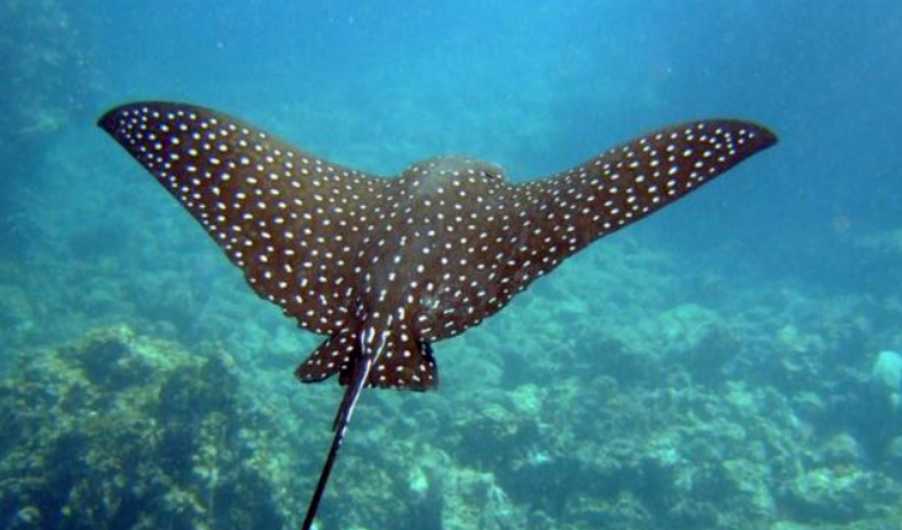
Stingrays: The Formidable Flatfish with a Lethal Defense
Stingrays, scientifically known as Dasyatidae, are cartilaginous fish renowned for their flattened bodies and whip-like tails. These marine creatures, which glide gracefully through the ocean, possess a hidden danger: some species sport one or more serrated venomous spines on their tails. With their distinctive wing-like pectoral fins undulating rhythmically, stingrays combine elegance with a lethal self-defense mechanism that commands caution from both predators and humans.
1 minute read
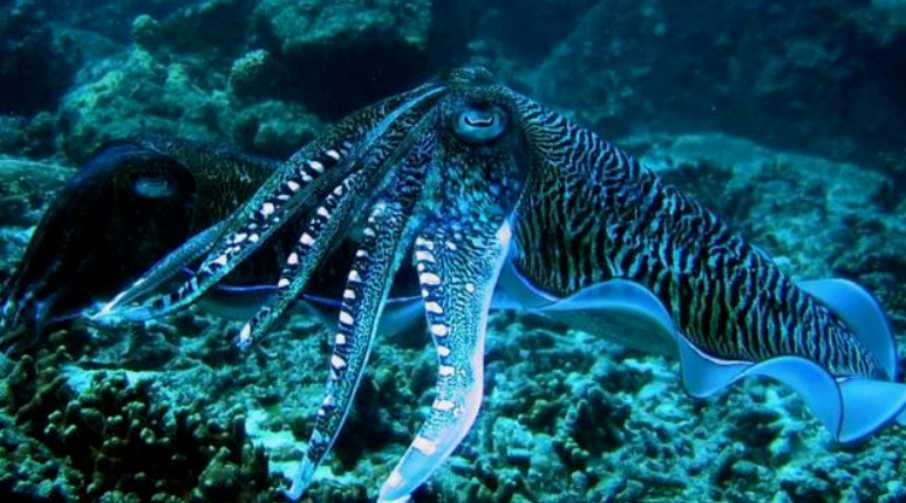
The Deadly Beauty of the Blue-Ringed Octopus
Though small in size, the blue-ringed octopus (Hapalochlaena) is one of the ocean’s most feared creatures, recognizable by the vivid iridescent blue rings that adorn its mantle and arms. Despite measuring just 10–20 centimeters in length, this unassuming cephalopod harbors a neurotoxin so potent that it can kill nearly 30 adult humans within minutes. Its venom, known as tetrodotoxin, is 10,000 times more lethal than cyanide, making it a silent but deadly threat in the tropical and subtropical waters of the Pacific and Indian Oceans.
1 minute read
Epinephelus lanceolatus: The Majestic Giant of the Coral Reefs
Epinephelus lanceolatus, commonly known as the giant grouper or dragon grouper, is a colossal and iconic inhabitant of the Indo-Pacific oceans. Revered for its massive size and distinctive appearance, this species is the largest member of the grouper family, often reaching lengths of up to 2.7 meters and weights exceeding 400 kilograms. Its imposing presence and slow growth rate have earned it a legendary status both in marine ecosystems and among fishermen and seafood enthusiasts.
1 minute read
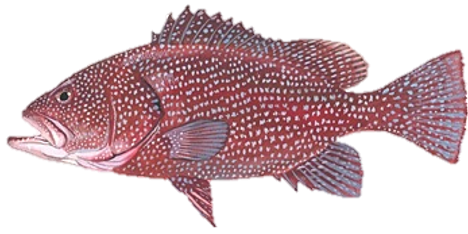
Epinephelus coioides: The Resilient "Green Grouper" of Tropical Waters
Epinephelus coioides, commonly referred to as the green grouper or blue-spotted grouper, is a prominent marine fish species inhabiting the tropical and subtropical waters of the Indo-Pacific region. Renowned for its distinctive appearance and ecological significance, this grouper has earned its nickname "green grouper" from its olive-green to grayish body, adorned with irregular blue or black spots that serve as effective camouflage against coral reefs and rocky seabeds. As a medium-sized grouper, it typically reaches lengths of 60–80 centimeters,though larger specimens can exceed 1 meter
1 minute read
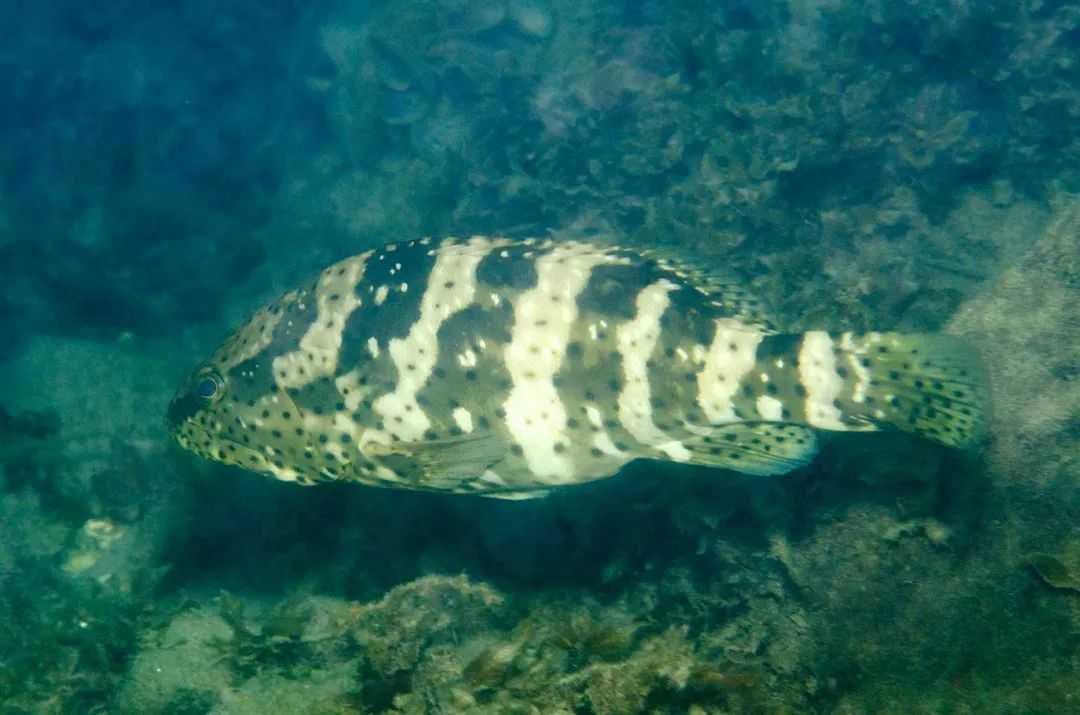
Plectropomus leopardus: The Striking "East Star Grouper" of Tropical Reefs
Plectropomus leopardus, commonly known as the East Star grouper, is a visually arresting marine fish renowned for its vibrant colors and distinctive patterns. Belonging to the family Serranidae, this species inhabits the coral reefs of the Indo-Pacific region, captivating both divers and seafood connoisseurs with its appearance and culinary value. Its name stems from the leopard-like spots and intricate patterns that adorn its body, creating a mesmerizing display against the backdrop of underwater landscapes.
1 minute read
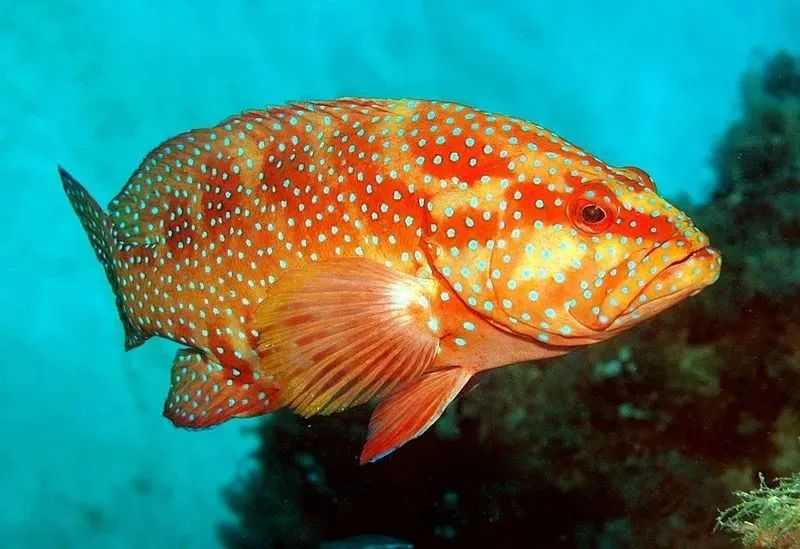
Cephalopholis boenak: The Elusive Striped Beauty of Tropical Reefs
Cephalopholis boenak, commonly known as the blackspotted rockcod or striped soapfish, is a captivating species within the Serranidae family, inhabiting the vibrant coral reefs of the Indo-Pacific region. Revered for its distinctive appearance and ecological significance, this fish has earned its nicknames from its dark, almost black body adorned with prominent, parallel white or yellowish stripes, creating a striking contrast against the underwater backdrop.
1 minute read
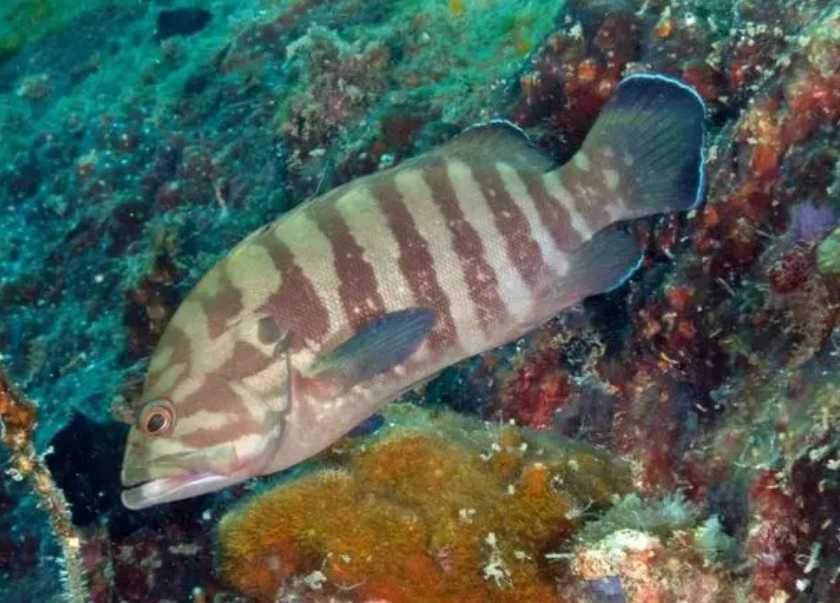
Choerodon schoenleinii: The Colorful "Blue Groper" of Indo-Pacific Waters
Renowned for its vibrant coloration and unique feeding behavior, this fish has captured the attention of marine enthusiasts and researchers alike. Its name "blue groper" stems from its predominantly blue body adorned with intricate patterns, making it a standout among reef inhabitants.
1 minute read