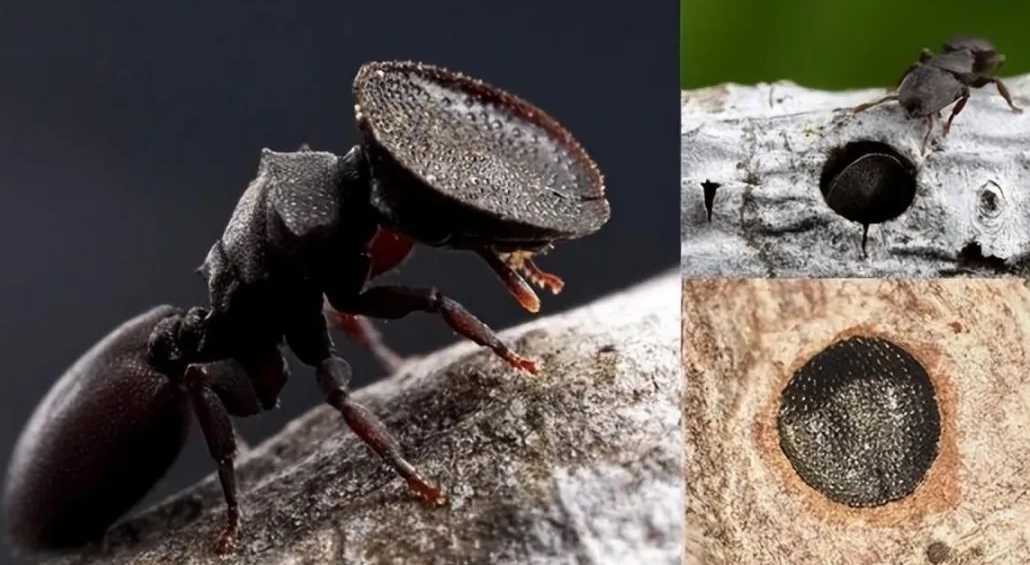
The Galamaso Gecko: Nature’s Elusive Tree-Dweller with Spectacular Dermal Flaps
The Galamaso gecko, a nocturnal arboreal lizard, captivates herpetologists with its most distinctive feature: large dermal flaps encircling the head, trunk, limbs, and tail. Native to the dense rainforests of Southeast Asia, this elusive reptile has evolved remarkable adaptations to thrive in its canopy habitat, using its fringed appendages for both camouflage and survival in the forest’s vertical world.
2 minute read
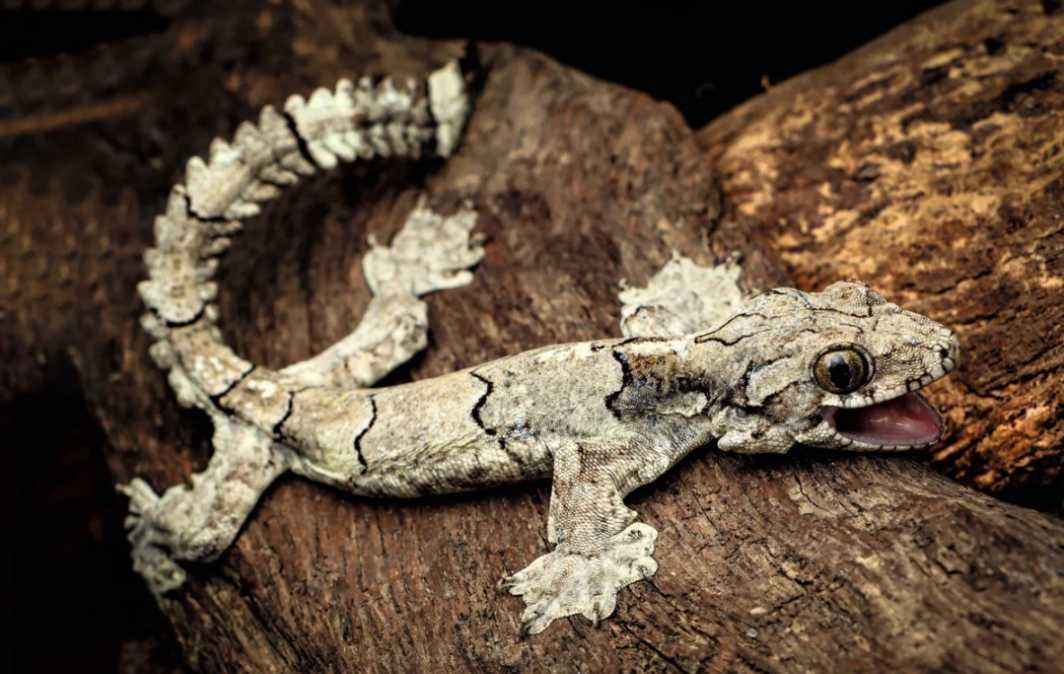
The Glasswing Butterfly: Nature’s Transparent Wonder Hunted for Its Elusive Beauty
Scientifically named Greta oto, the glasswing butterfly belongs to the family Nymphalidae, subfamily Danainae, tribe Ithomiini, and subtribe Gretae. Renowned for its ethereal, translucent wings, this Central and South American species has evolved a survival strategy that paradoxically draws human attention—turning its natural defense against predators into a curse.
2 minute read
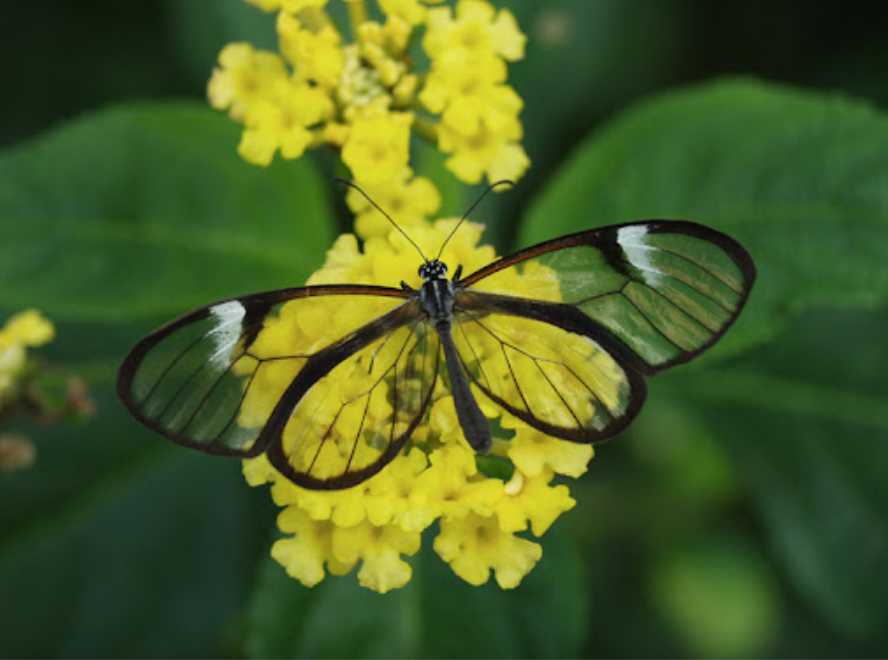
Mysterious 'Poodle Moth' Captivates Scientists After 2009 Venezuelan Discovery
A bizarre moth with a fluffy, poodle-like appearance has perplexed entomologists since its 2009 discovery in Venezuela’s Gran Sabana region. Named the Venezuelan poodle moth (Artace sp.), the species remains taxonomically unresolved due to limited specimens and conflicting theories about its evolutionary origins. Its dense, cottony fur and large, reflective eyes have sparked viral fascination, yet its behavior, habitat requirements, and ecological role remain shrouded in mystery .
1 minute read
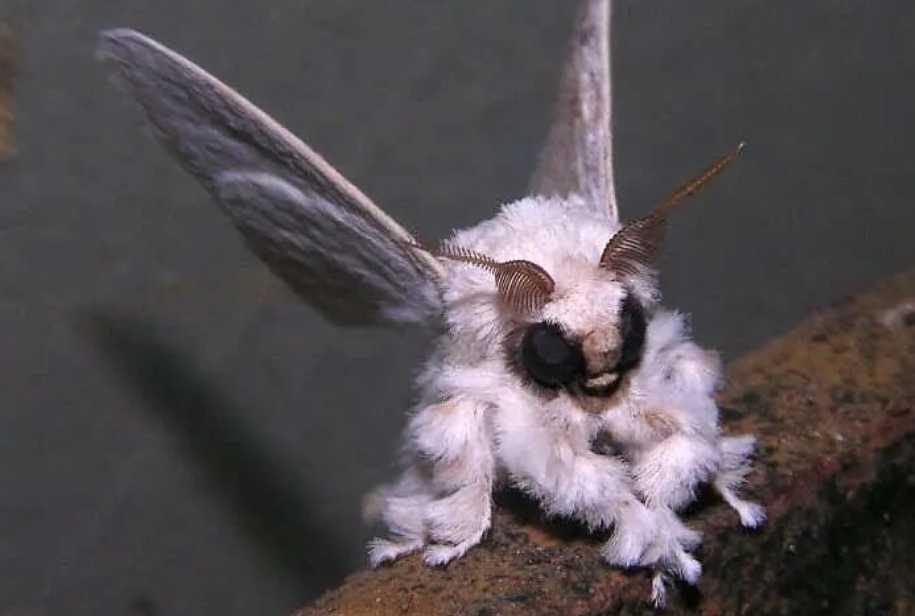
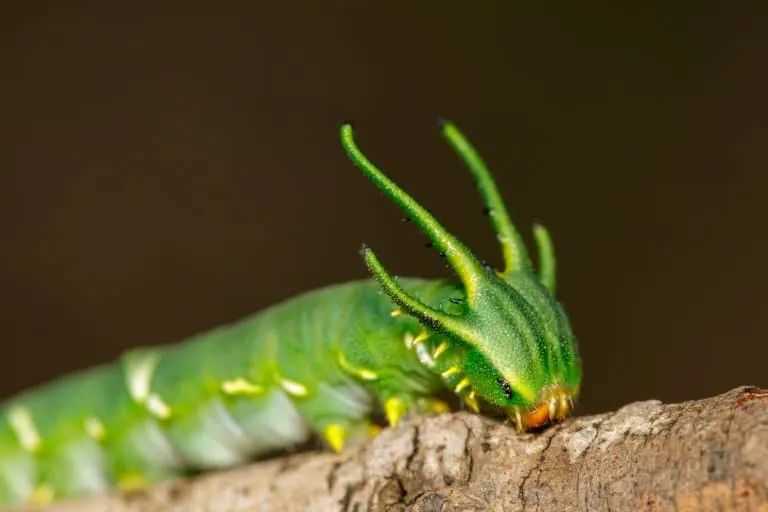
The Dragon Head Caterpillar: Nature’s Dramatic Mimic with a Widespread Surprise
Renowned for its horned "head capsule"—a specialized thoracic segment that resembles a dragon’s face—the dragon head caterpillar may look otherworldly, but it thrives across North America and Eurasia. Belonging to the sphinx moth family (Sphingidae), this larva uses its striking appearance as a masterclass in predator deterrence, proving that dramatic adaptations often evolve in common species.
1 minute read
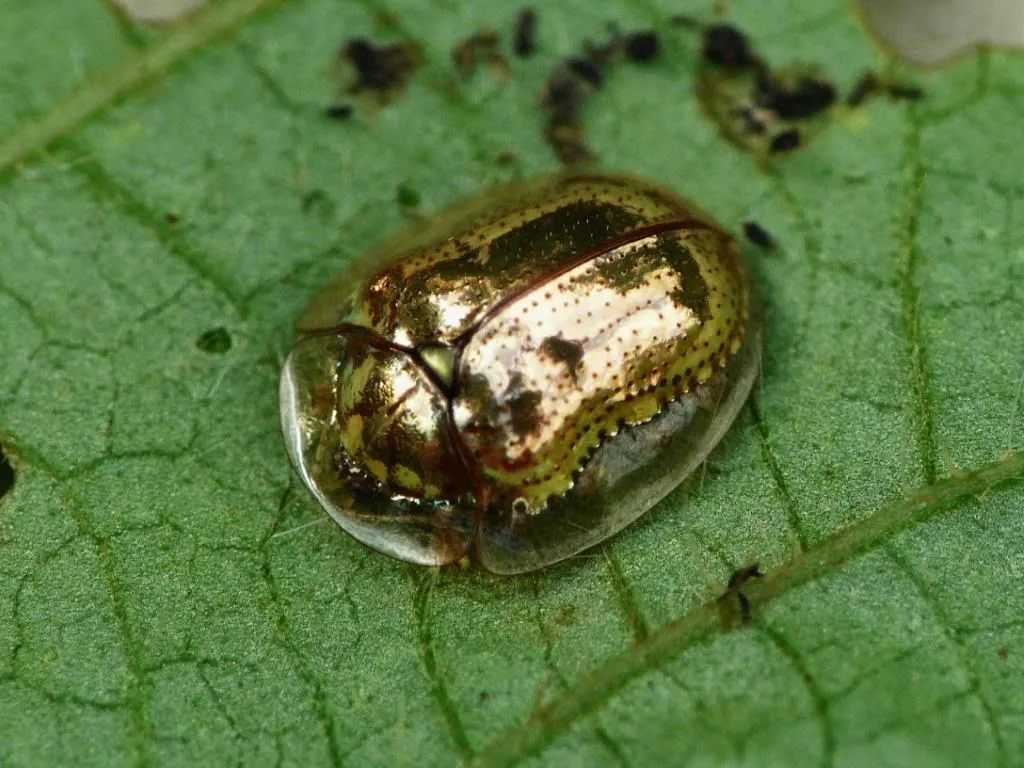
The Golden Tortoise Beetle: Shimmering Jewel of the Leaf Beetle Family with a Vast American Range
Belonging to the leaf beetle family (Chrysomelidae), the golden tortoise beetle (Charidotella sexpunctata) is a tiny arthropod renowned for its iridescent golden hue and domed, tortoise-like shell. Native to the Americas, this species boasts a remarkably wide distribution, thriving from southern Canada to South America in diverse habitats ranging from farmlands to forests.
2 minute read
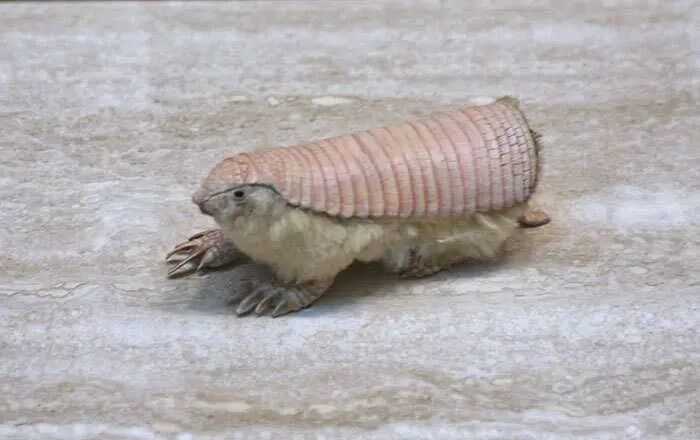
The Pink Fairy Armadillo: World’s Tiniest Armor-Clad Wonder with a Fluffy Pink Hue
Known as the pygmy armadillo or pink fairy armadillo (Chlamyphorus truncatus), this species holds the title of the smallest armadillo. Excluding its tail, it measures just 90 to 115 millimeters in length, blending delicate pink scales with a velvety white underbelly. Native to Argentina’s central grasslands, it’s a master of subterranean life, rarely seen above ground.
1 minute read
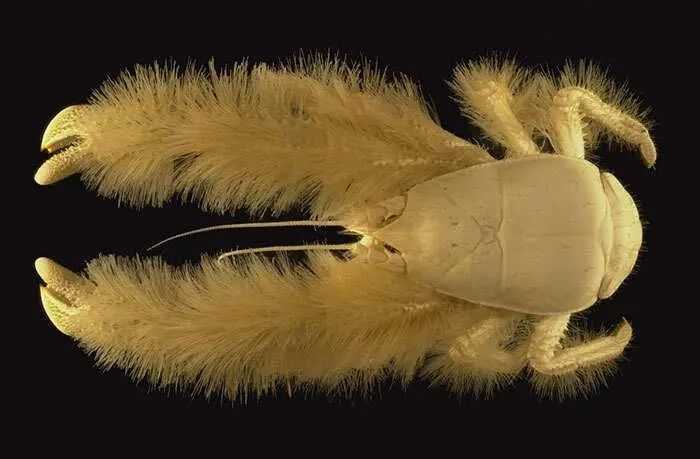
The Yeti Crab: Deep-Sea Marvel Renowned for Its Golden-Haired Legs
Also known as the Hoff crab, the yeti crab (Kiwa hirsuta) has captivated marine biologists with its most striking feature: legs and claws entirely covered in dense, golden bristles. Discovered in 2005 near hydrothermal vents in the South Pacific, this crustacean belongs to the family Kiwidae and thrives in some of the ocean’s most extreme environments.
2 minute read
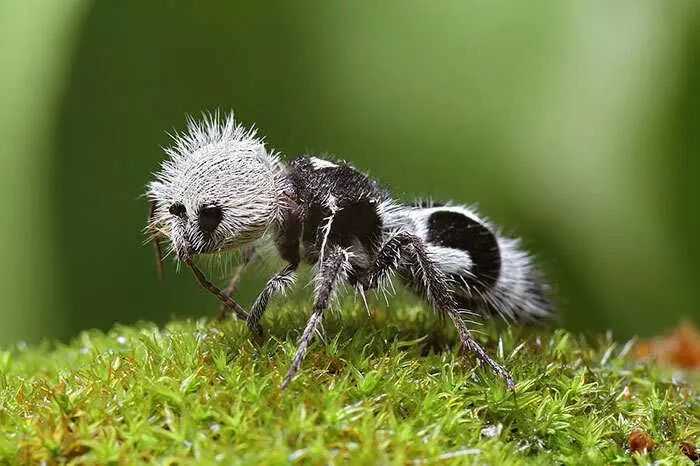
The Panda Ant: Deceptive Black-and-White 'Ant' That's Actually a Wingless Wasp
Despite its name and ant-like appearance, the panda ant (Myrmecopsis sp.) is a wingless wasp belonging to the family Mutillidae. Found in arid regions of Chile and parts of Argentina, this striking insect has captivated entomologists with its black-and-white coloration—a pattern that belies its true identity and hides a painful secret.
2 minute read
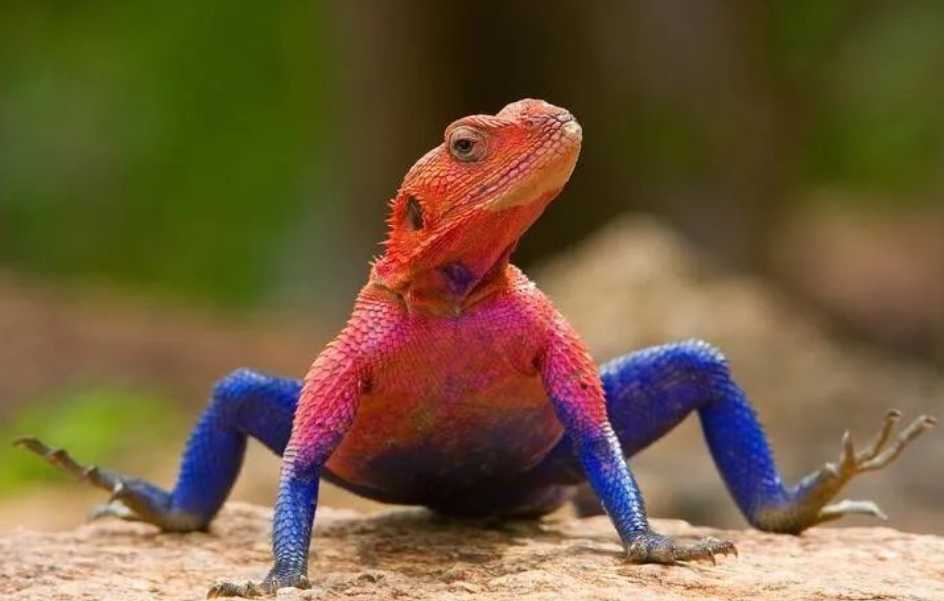
The Mwanza Flat-headed Iguana: Nature’s Real-Life 'Spiderman' with Iconic Red-Blue Coloration
Resembling a creature straight from a comic book, the Mwanza flat-headed iguana (Agama mwanzae) has earned global attention for its striking red and blue coloration—an uncanny resemblance to Spider-Man. Native to eastern Africa (not South America, despite common misconceptions), this lizard thrives in rocky habitats from Tanzania to Kenya, using its vibrant hues for both survival and social signaling.
2 minute read
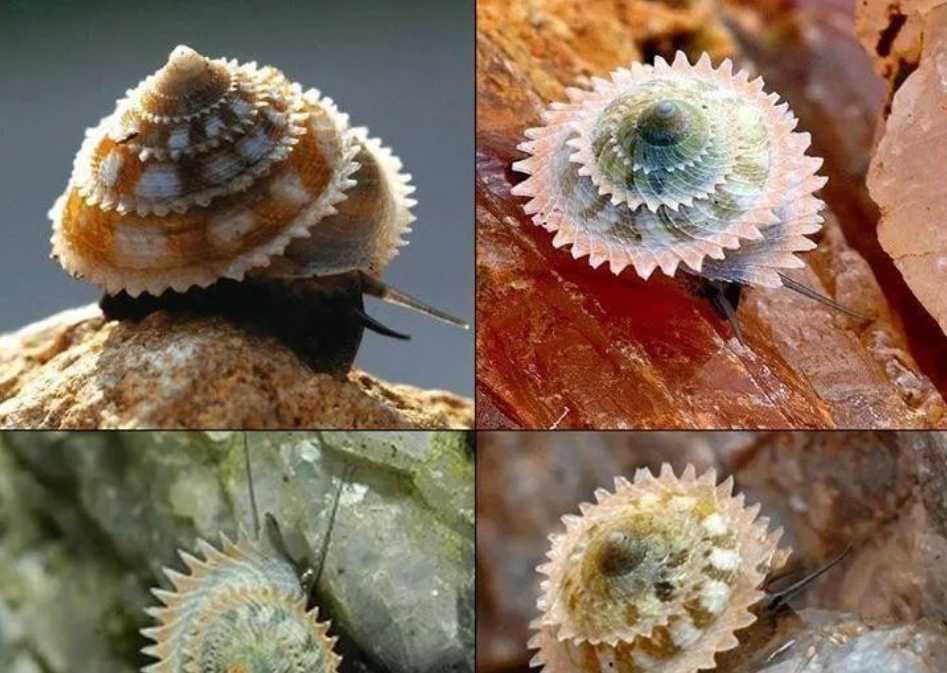
Cuba’s Iconic Star-Wheeled Saw Snail: A Serrated Marvel Unique to Earth’s Ecosystems
Native to Cuba’s limestone-rich regions, the star-wheeled saw snail (Priotrochatella stellata) stands as a testament to nature’s evolutionary artistry. This critically endangered gastropod, endemic to the Caribbean island, is instantly recognizable by its geometrically serrated shell—unmatched by any other snail species. Discovered in the mid-19th century, this 12–15 mm mollusk thrives in humid forests despite mounting threats.
1 minute read
The Helmeted Turtle Ant: America’s Living Shield with a Disc - Shaped Head
Native to the tropical forests of the Americas, the helmeted turtle ant (Cephalotes varians) is renowned for its flattened, disc - like head that resembles a natural shield. A member of the turtle ant genus, this species has evolved an extraordinary defense mechanism: when threatened, worker ants plug their nest entrances with their armored heads, acting as living barricades to fend off intruders.
2 minute read