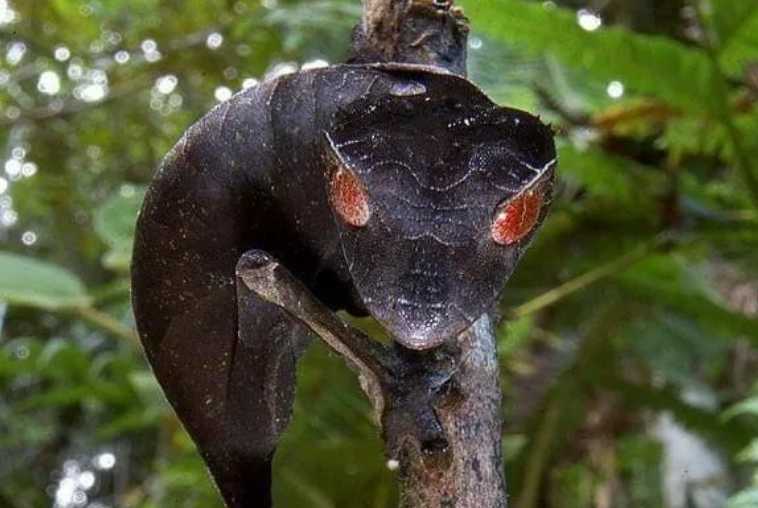
Bat Moths: A Diverse and Prolific Insect Group
Bat moths belong to the genus Hepialus in the family Hepialidae. They are a group of insects with remarkable reproductive capabilities. A female bat moth can lay more than 2,900 eggs, which is quite prolific among insects.
2 minute read
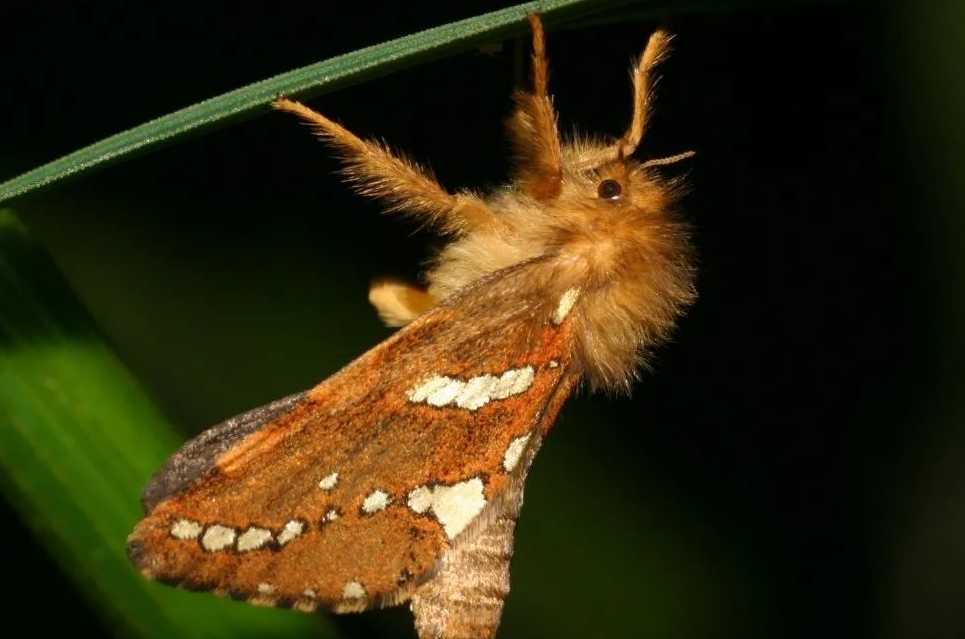
Orchid Mantis: Nature's Perfect Floral Mimic with Extreme Sexual Dimorphism
The orchid mantis (Hymenopus coronatus) stands as a marvel of evolutionary adaptation, renowned for its uncanny ability to mimic orchids—an illusion so precise it deceives both prey and observers. This species exemplifies extreme sexual dimorphism, with adult females reaching 6–7 centimeters in length, while males measure a mere 2.5 centimeters. This size disparity is matched by striking differences in appearance, making them one of the most visually distinct insect species.
1 minute read
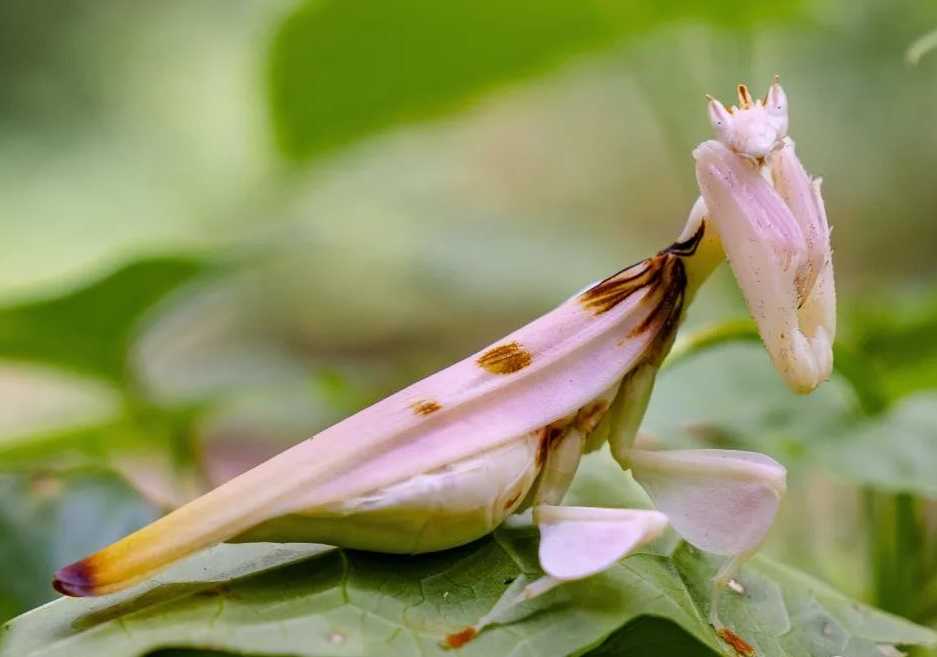
The Namib Desert Beetle (Stenocara gracilipes): Nature's Master of Fog Harvesting
The Namib Desert beetle, Stenocara gracilipes, stands as a testament to evolutionary adaptation in one of Earth’s harshest environments. This coleopteran insect, endemic to the Namib Desert of southwestern Africa, has evolved a remarkable survival strategy: harvesting fog droplets through its uniquely textured elytra, a trait that has inspired groundbreaking biomimetic water-collection technologies.
2 minute read
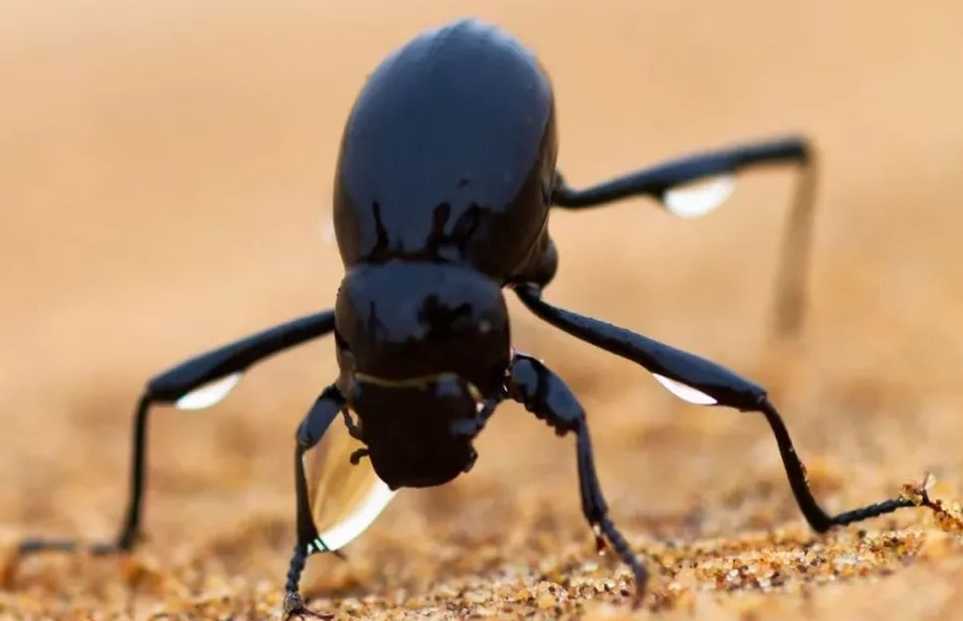
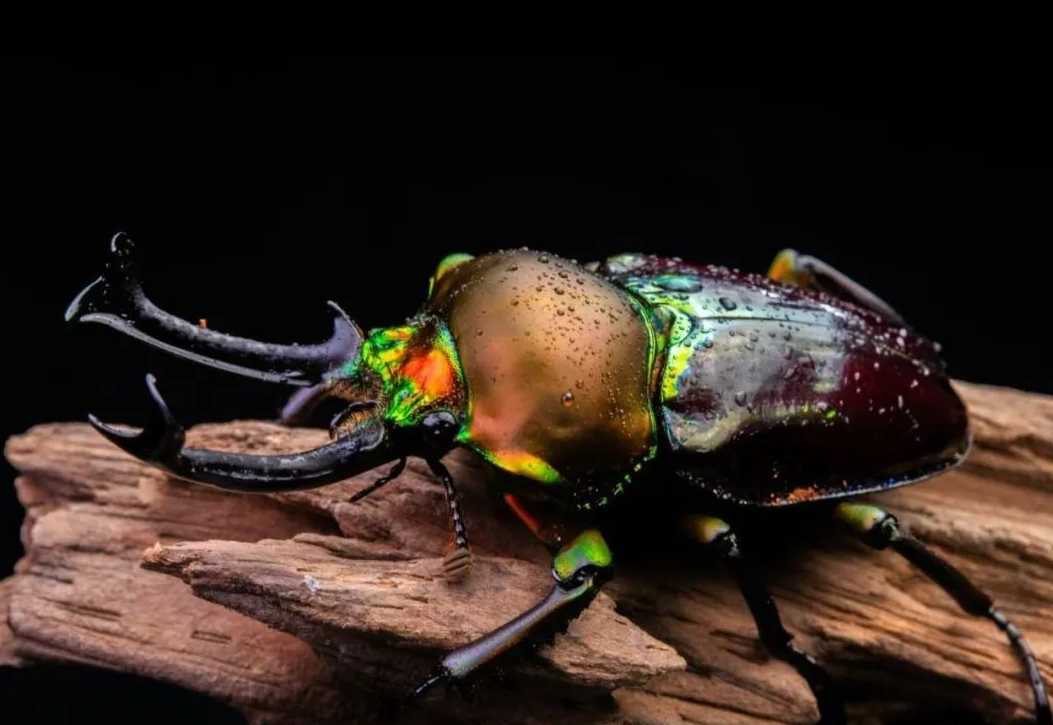
The Rainbow Stag Beetle (Phalacrognathus muelleri): Nature's Living Jewel
The rainbow stag beetle, Phalacrognathus muelleri, is a biological marvel renowned for its iridescent metallic hues that rival precious gems. Native to the forests of Australia and New Guinea, this coleopteran species has captivated entomologists and pet enthusiasts alike with its structural coloration—a phenomenon produced by microscopic wing surface ridges that refract light into a spectrum of blues, purples, golds, and greens.
1 minute read
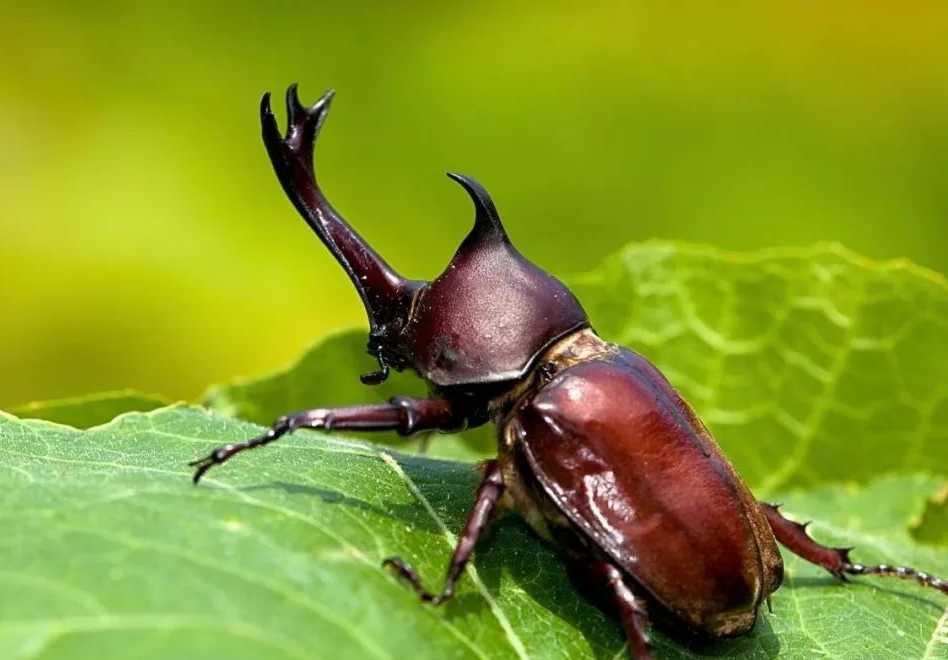
The Japanese Rhinoceros Beetle (Allomyrina dichotoma): A Horned Symbol of Strength and Nature's Engineer
The Japanese rhinoceros beetle, scientifically known as Allomyrina dichotoma, is an iconic insect revered for its distinctive Y-shaped horn and deep cultural significance in Japan. Measuring 3–5 centimeters in length, this scarab beetle captivates with its robust build and unique morphology, while its larval stage plays a crucial role in forest ecosystems as a decomposer.
1 minute read
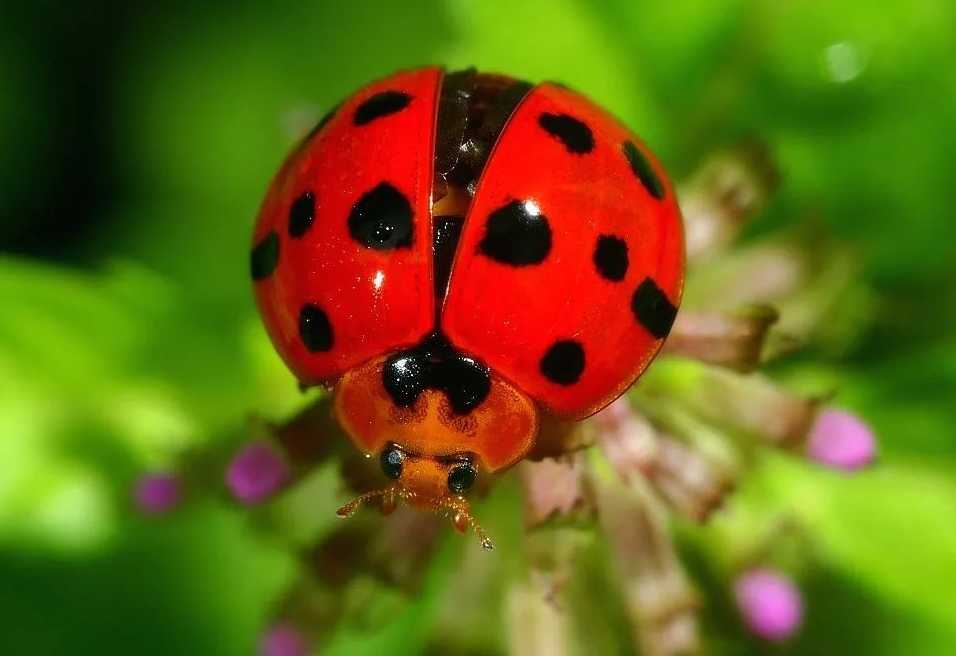
The Ladybug (Coccinellidae): Nature's Spotted Predator and Winter Intruder
Ladybugs, members of the family Coccinellidae, are iconic insects recognized worldwide for their distinctive spotted exteriors. Typically adorned with red or yellow backs dotted in black, these beetles blend aesthetic appeal with remarkable ecological utility, serving as natural pest controllers in gardens and agricultural fields.
1 minute read
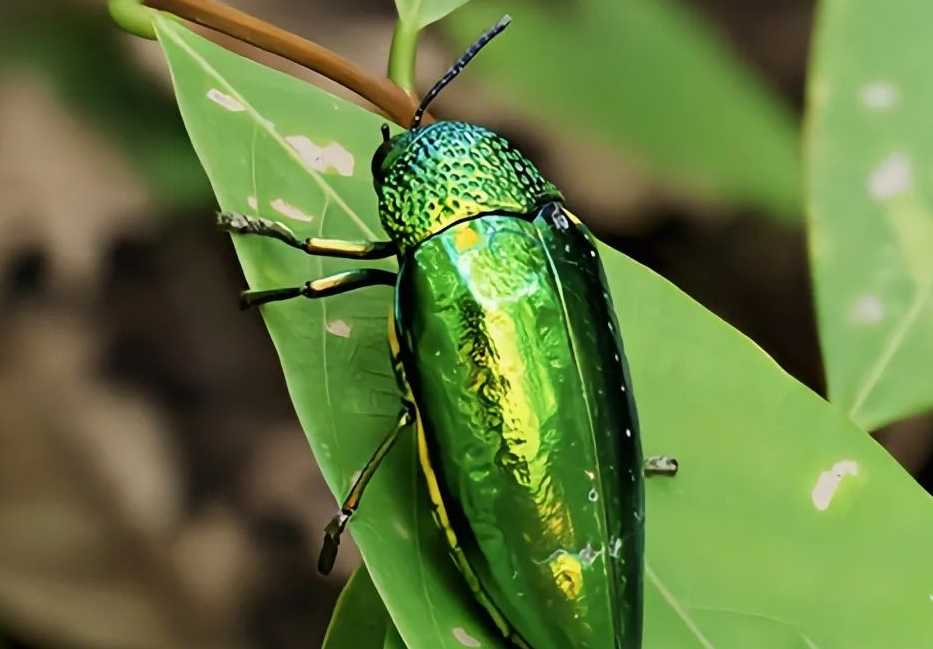
The Jewel Beetles (Buprestidae): Nature's Iridescent Gems
Jewel beetles, members of the family Buprestidae, are renowned for their exoskeletons that shimmer with metallic hues resembling emeralds, sapphires, and gold. This optical marvel arises from structural coloration—microscopic layers on their elytra that refract light, creating vibrant, fade - resistant iridescence. Found across Asia, Africa, and the Americas, these beetles have captivated humans for millennia with their gem - like appearance.
2 minute read
The Hercules Beetle (Dynastes hercules): The Insect World's Colossal Titan
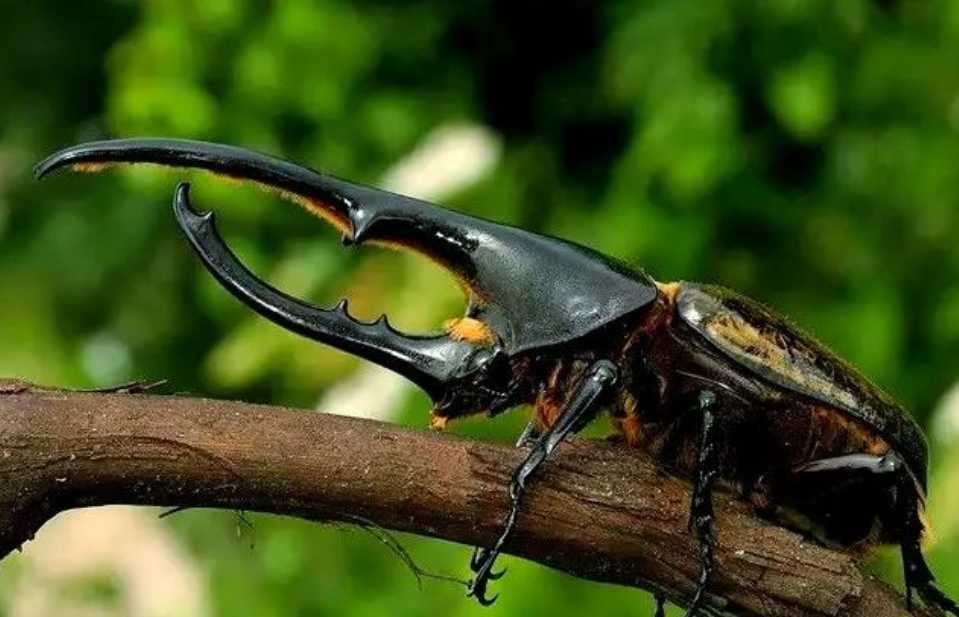
The Hercules beetle, Dynastes hercules, reigns as one of the longest beetles on Earth, captivating observers with its imposing size and extraordinary strength. Native to the rainforests of Central and South America, this scarab beetle earns its name from the mythological hero, boasting a pair of horns that define its iconic appearance and earned it the title "Hercules of the Insect World."
2 minute read
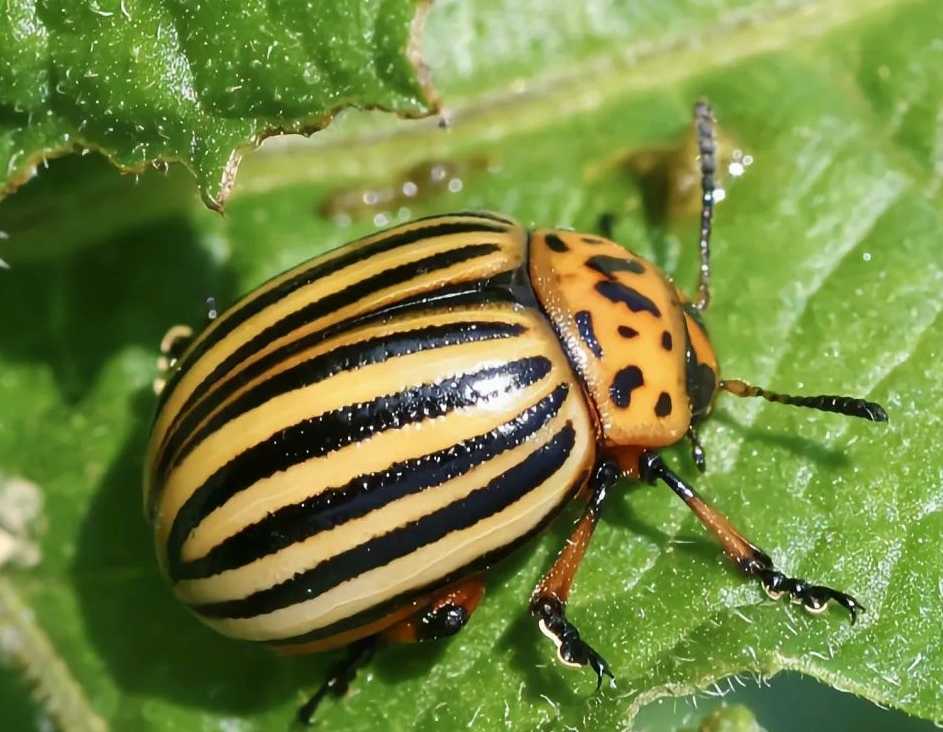
The Colorado Potato Beetle (Leptinotarsa decemlineata): A Persistent Agricultural Menace
The Colorado potato beetle, scientifically known as Leptinotarsa decemlineata, is a notorious insect pest recognized by its distinctive yellow-orange elytra striped with ten black longitudinal lines. Native to North America, this beetle has earned global infamy for its voracious appetite for potato leaves and its remarkable ability to develop resistance to pesticides, making it a top quarantine target worldwide.
2 minute read
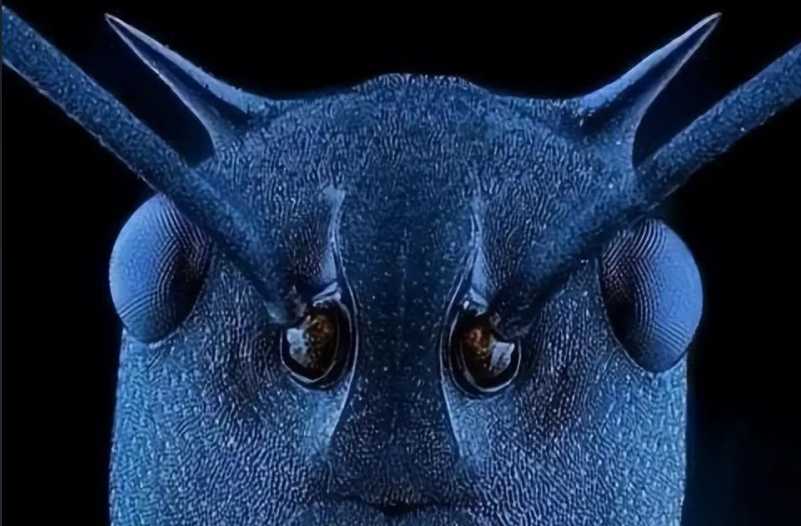
Ants' Facial Close - ups: Uncovering the Expressive Faces of Tiny Insects
Ants, those ubiquitous tiny creatures, have always been a common sight in our daily lives. However, recent close - up photography has revealed a surprising fact: ants seem to have expressions. These detailed images capture the nuances of their faces, showing features that give the impression of different emotions.
1 minute read
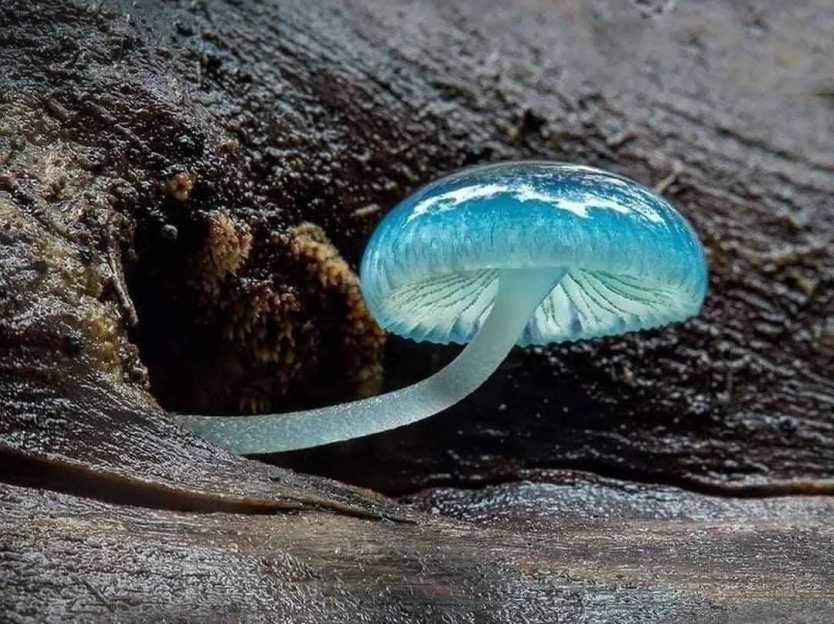
Crystal - clear Blue Mushrooms: A Captivating Natural Wonder
In nature, there exists a kind of crystal - clear blue mushroom that never fails to draw people's attention. The scientific name of this mushroom is Mycena interrupta, and it also goes by the aliases of Fairy - blue Mushroom and Sky - blue Mushroom. It belongs to the large fungi of the genus Mycena in the family Mycenaceae of the order Agaricales.
1 minute read
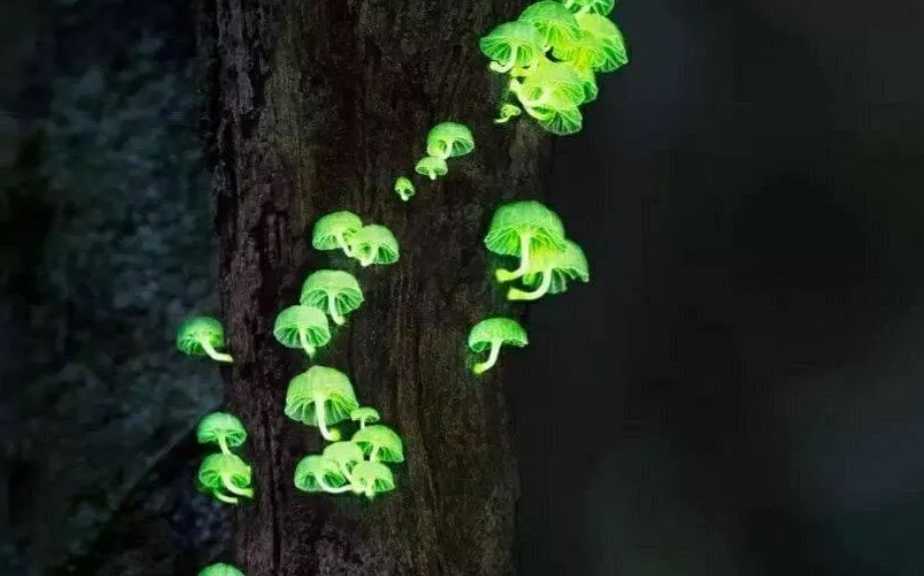
Mushrooms That Glow at Night: A Mysterious and Beautiful Natural Phenomenon
In the mysterious world of fungi, there exists a group of mushrooms with a unique ability - they can glow in the dark, creating a captivating and otherworldly scene.
1 minute read
The Unusual Tree: Trees That Bloom Directly on the Trunk
In nature, there are some unique trees that bloom directly on their trunks, challenging the common perception of plant growth.
1 minute read

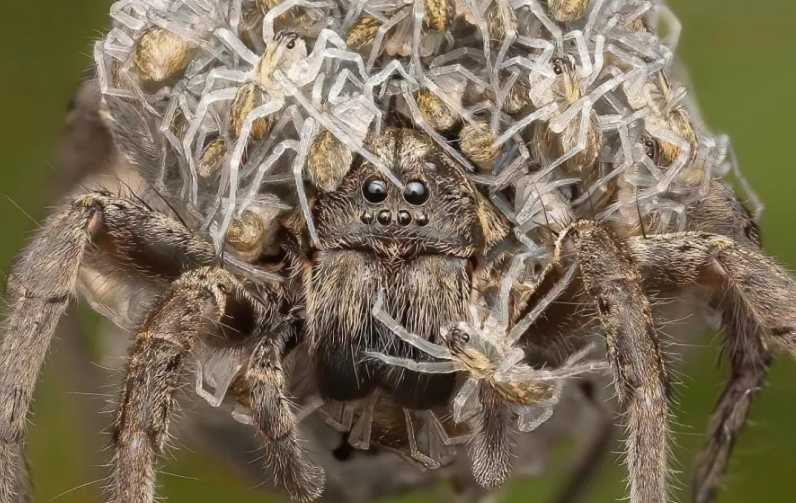
Wolf Spiders and Their Young: Nature’s Dedicated Mothers
Wolf spiders (Lycosidae) embody maternal dedication in the arachnid world, carrying their offspring with them in a manner that underscores the sacrifices of parenthood in the wild. Females of these ground-dwelling spiders spin silk egg sacs containing hundreds of eggs, which they attach to their spinnerets, literally towing the sac behind them as they hunt and move. This behavior ensures the eggs remain protected and oxygenated, a critical investment in their survival.
1 minute read
Satanic Leaf-Tailed Gecko: Nature's Master of Dead Leaf Mimicry
In the dense rainforests of Madagascar, a remarkable reptile demonstrates nature’s most astonishing camouflage: the Satanic leaf-tailed gecko (Uroplatus phantasticus). Renowned for its uncanny resemblance to a dried, withered leaf, this gecko has evolved the perfect disguise to vanish into its forest habitat.
1 minute read