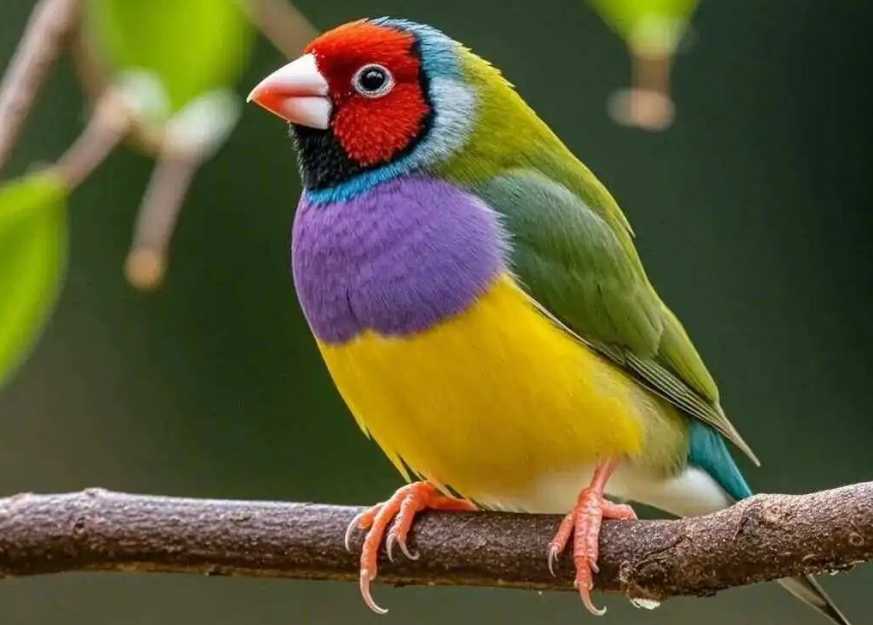
The Gouldian Finch: Australia’s Jeweled Songbird and Victorian Status Symbol
Scientifically named Chloebia gouldiae, this 12-cm passerine native to Australia’s savannas feasts on grass seeds and insects. Though wild populations now number fewer than 2,500, its dazzling plumage has made it a globally cherished ornamental bird, with captive-bred varieties outnumbering their wild counterparts.
1 minute read
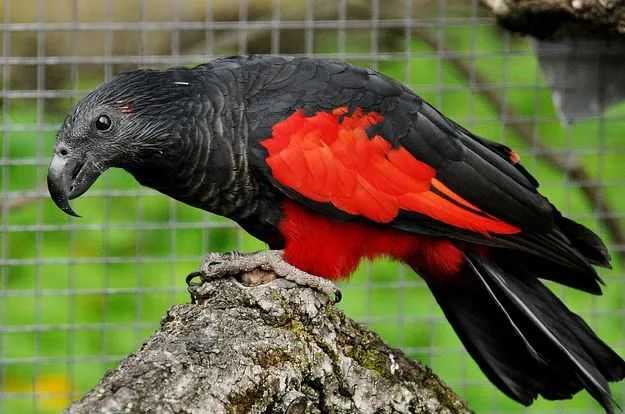
The Dracula Parrot: New Guinea’s Mysterious Avian Noble in Gothic Attire
Scientifically named Psittrichas fulgidus, this medium-sized parrot inhabits the mountainous regions of New Guinea, measuring around 35 cm and feasting on nuts and fruits. True to its enigmatic moniker, the Dracula parrot lives up to its mysterious aura: cloaked in jet-black plumage, it sports vivid blood-red patches on its chest, belly, and forewings, creating a striking contrast that evokes the regal yet ominous figure of literary vampires. This gothic aesthetic inspired its name, a nod to Bram Stoker’s iconic Count Dracula.
1 minute read
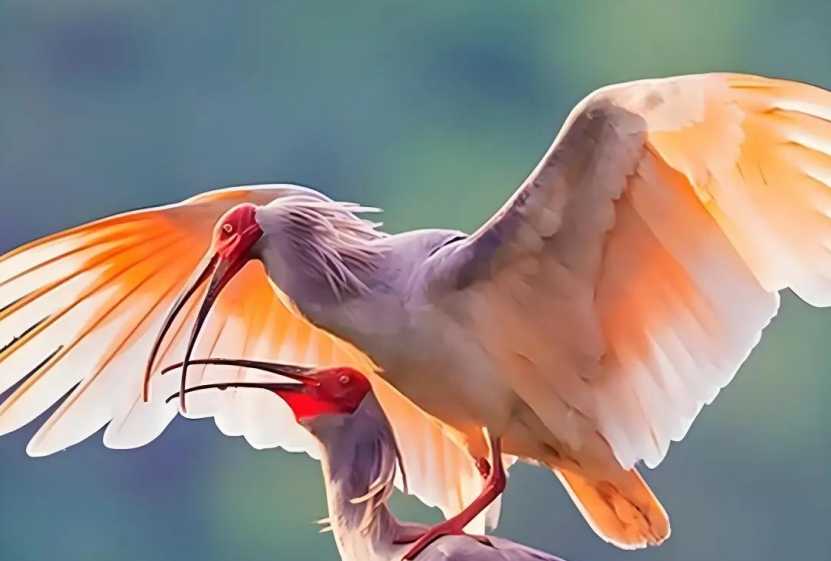
The Crested Ibis: East Asia’s Enigmatic 'Oriental Jewel' and Symbol of Survival
Scientifically named Nipponia nippon, this rare wading bird measures around 80 cm, inhabiting wetland ecosystems and feasting on fish and shrimp. Once widespread across East Asia, it now clings to survival primarily in Yangxian County, Shaanxi Province, China, classified as a national first-class protected animal. Hailed as the "Oriental Jewel," its cultural significance spans millennia: ancient Chinese poets praised its "red jade-feathered plumes," while Japan’s imperial family revered it as the sacred "Peach Blossom Bird," now symbolizing Sino-Japanese friendship.
2 minute read
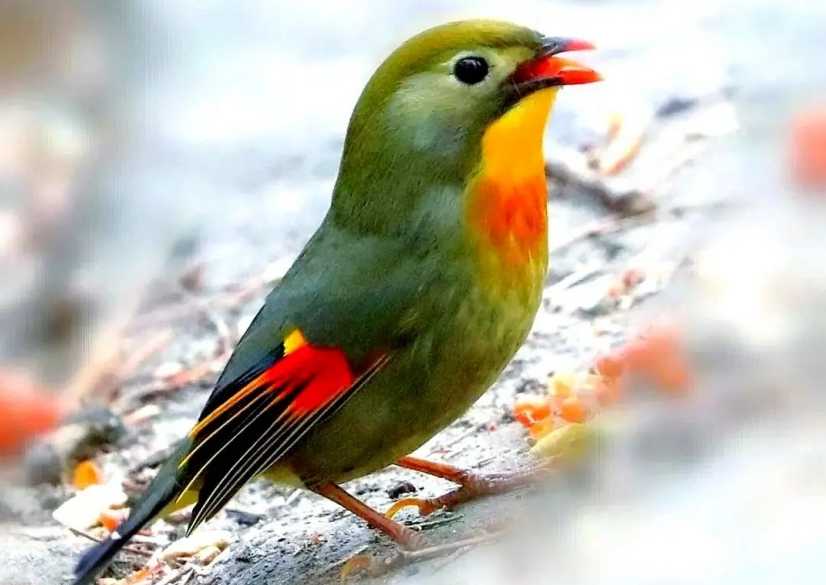
The Red-billed Leiothrix: China’s Enchanting 'Lovebird' and Melodious Songster
Scientifically named Leiothrix lutea, this 15-cm songbird is a common sight in southern China, feasting on insects and berries. Renowned as the "lovebird," it’s cherished for its monogamous nature—pairs remain inseparable, symbolizing unwavering love in Chinese culture. Often depicted in traditional ink wash paintings, their paired silhouettes adorn scrolls alongside peach blossoms, while their clear, flute-like calls have earned them the title "Chinese Nightingale."
1 minute read
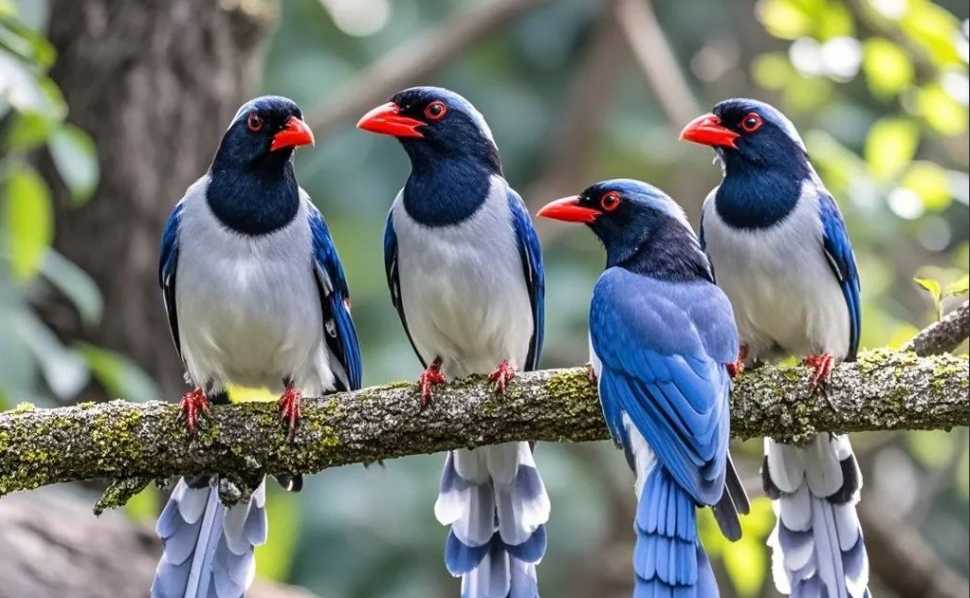
The Red-billed Blue Magpie: China’s Enigmatic 'Mountain Phoenix' and Avian Elegance Personified
Scientifically named Urocissa erythroryncha, this 65-cm corvid is a common sight in southern China’s mountain forests, feasting on insects and fruits. Revered in folklore as the "mountain phoenix," it’s celebrated as one of China’s most visually striking native birds, captivating observers with its dramatic plumage and graceful demeanor.
2 minute read
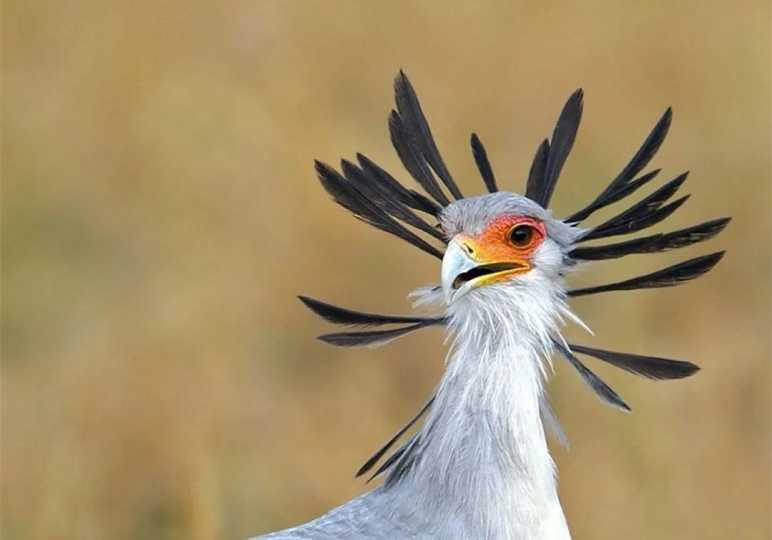
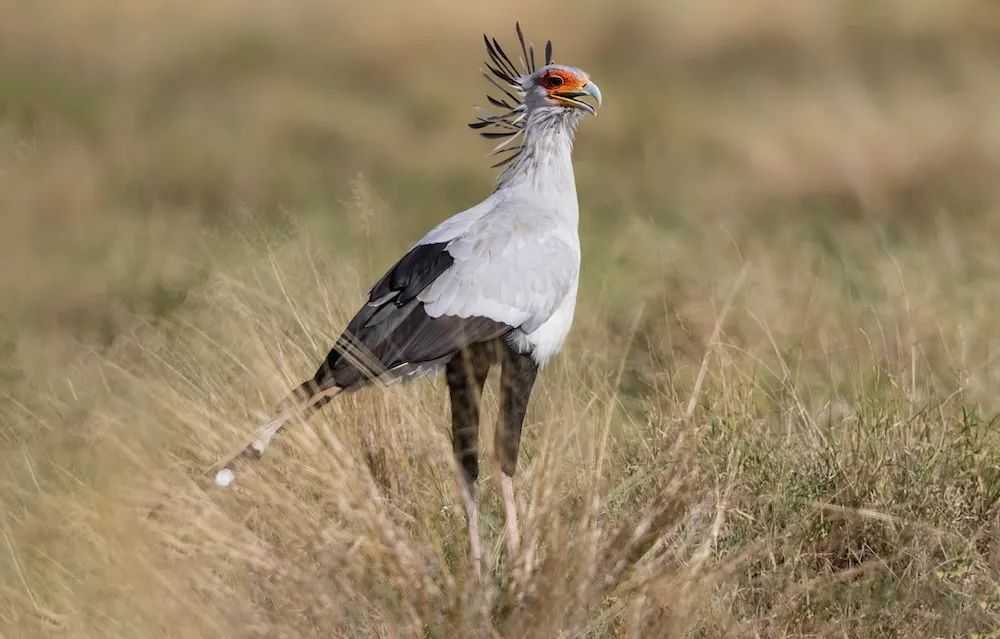
The Secretarybird: Africa’s Majestic Serpent-Hunter and Walking Raptor
Scientifically named Sagittarius serpentarius, this iconic raptor of sub-Saharan Africa belongs to the family Sagittariidae, standing 1.2–1.5 meters tall with a 2.1-meter wingspan. Renowned for its long legs and terrestrial lifestyle, it earns the nickname "African marching eagle," covering 20–30 kilometers daily on foot. Its name stems from the 20 black crest feathers on its head, resembling the quill pens once tucked behind secretaries’ ears—feathers that erect into a dramatic fan when the bird is agitated, framed by vivid orange-red bare skin around the eyes.
2 minute read
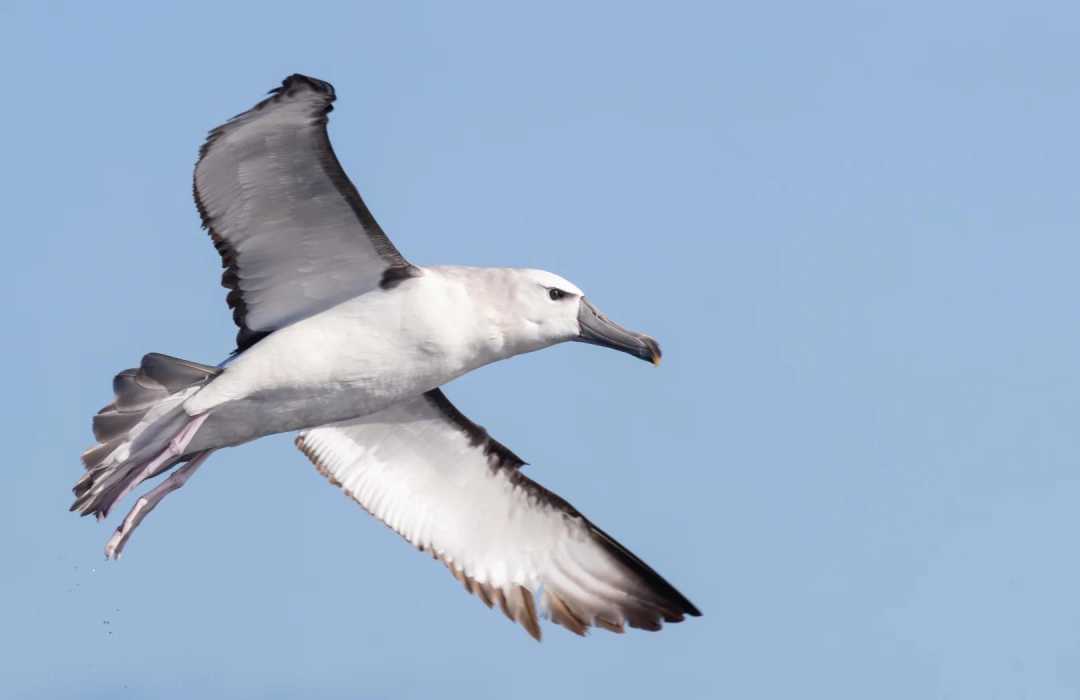
The Albatross: The Southern Ocean’s Soaring Sleep Expert
With wingspans exceeding 3 meters, albatrosses reign as the Southern Ocean’s ultimate flight virtuosos, capable of continuous flights lasting weeks without touching land. Their lives are a testament to maritime endurance—spending most existence adrift over waves, they’ve even mastered the art of sleeping mid-flight.
1 minute read
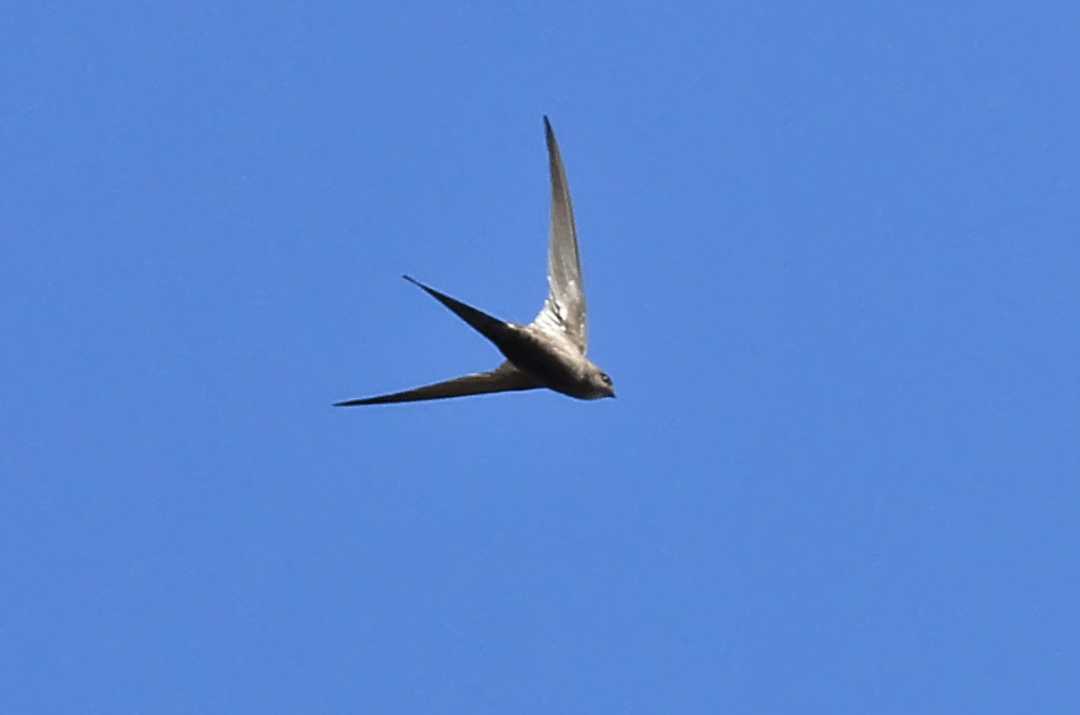
The Swift: Nature’s Legless Wonder and Aerial Life Master
Tiny in size yet with slender, pointed wings, swifts earned the nickname "legless birds" for a life almost entirely spent in flight—even eating, drinking, and mating mid-air. These aerial acrobats can fly continuously for 10 months without landing, a feat unmatched in the avian world.
1 minute read
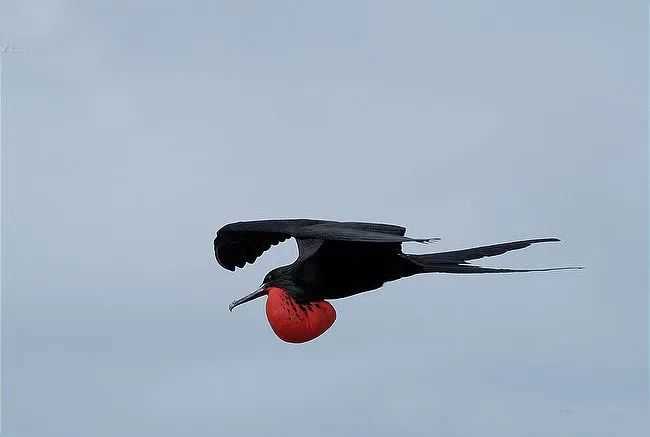
The Frigatebird: Tropical Oceans’ Aerial Pirates and Sleep-in-Flight Specialists
Living primarily in tropical oceans, frigatebirds boast wingspans exceeding 2 meters, with males sporting a distinctive red throat pouch that inflates like a scarlet balloon during courtship. These avian marvels are renowned for their ability to fly continuously for two months without touching water—even sleeping mid-air.
1 minute read
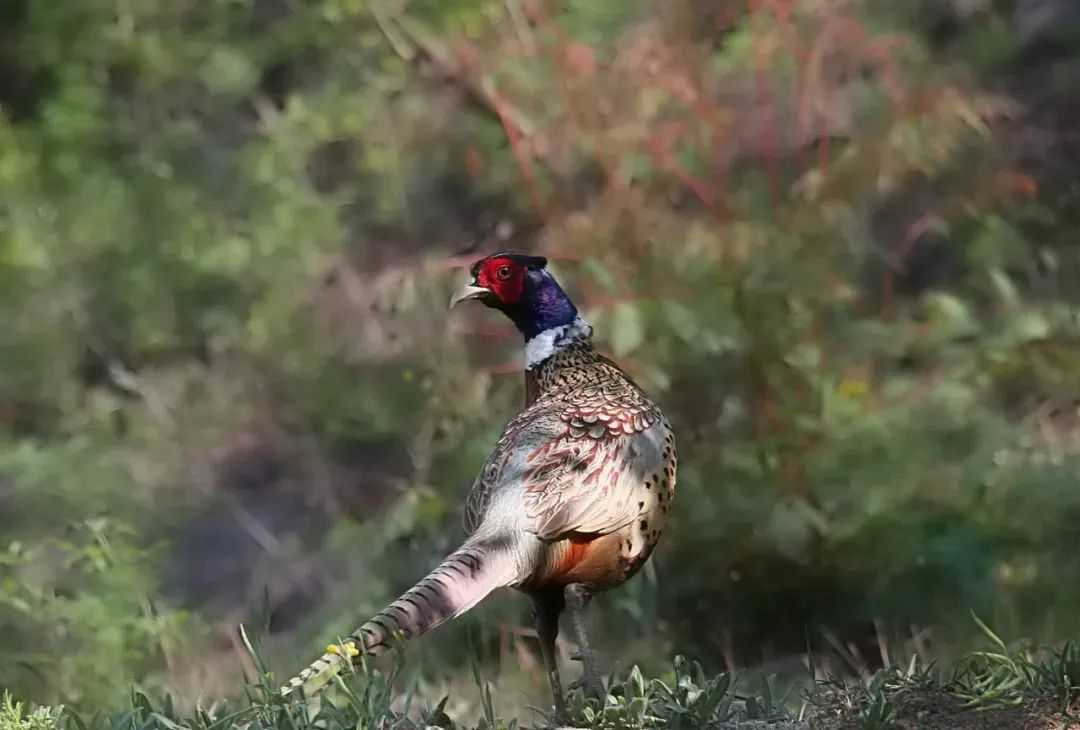
Aquatic Birds: Masters of the Open Water
Aquatic birds, or waterfowl, have evolved to thrive in expansive water bodies such as reservoirs, rivers, and lakes. These avian species have adapted unique physical features and feeding strategies, enabling them to exploit the rich resources of their aquatic habitats.
1 minute read

Terrestrial Birds: Ground-Dwelling Specialists of Diverse Habitats
Terrestrial birds, a versatile group of avian species, have adapted to thrive in a range of environments, from dense forests and urban parks to suburban gardens and agricultural fields. These birds spend the majority of their lives foraging and nesting on the ground, relying on a diet that typically includes grains, seeds, insects, and small vertebrates.
1 minute read
Birds of Prey: Nature's Aerial Predators
Birds of prey, or raptors, are a diverse group of carnivorous birds characterized by their formidable hunting skills and specialized adaptations for predation. These apex avian predators occupy various habitats worldwide, from dense forests and open grasslands to mountain ranges and coastal regions, relying on a diet of small mammals, reptiles, fish, and other birds.
1 minute read

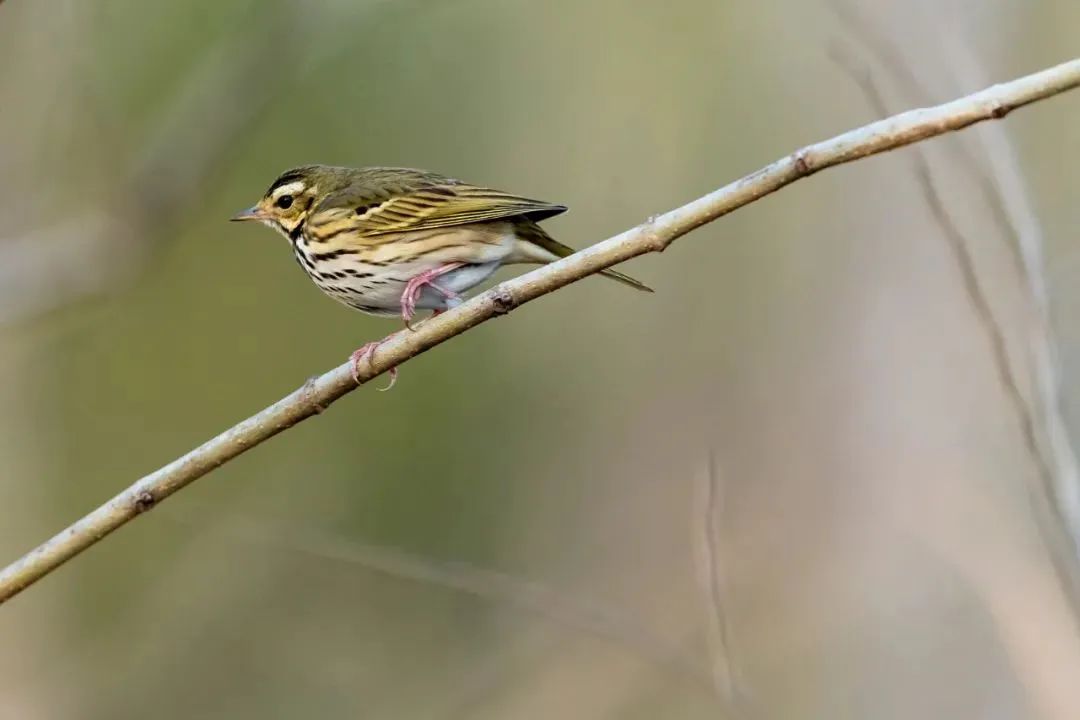
Songbirds: Versatile Inhabitants of Diverse Landscapes
Songbirds, the largest and most diverse group of birds, have adapted to thrive in a wide array of environments, from wooded forests and bustling villages to sprawling farmlands. Renowned for their melodious calls, these avian creatures showcase remarkable versatility in diet and habitat, making them a common yet captivating presence across the globe.
1 minute read
Secretarybird: The Long-Legged Titan of East African Grasslands
Standing tall amidst the vast savannas of East Africa, the secretarybird commands attention with its striking appearance and formidable hunting prowess. This unique avian predator, characterized by its long legs, powerful talons, and distinctive crest of feathers, reigns as one of the most iconic and specialized inhabitants of the grasslands.
1 minute read
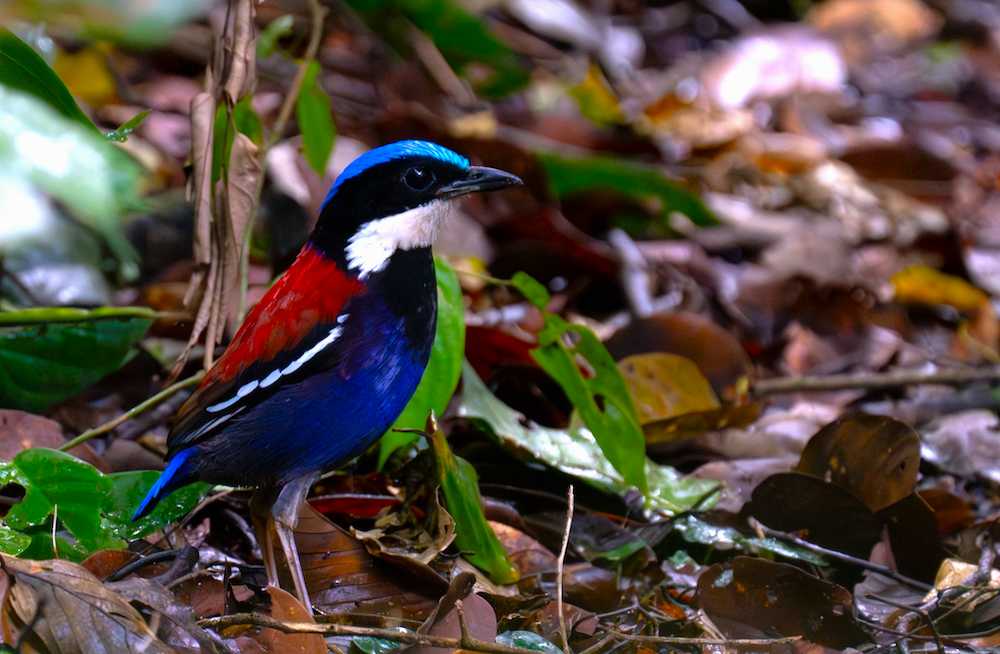
The Stunning Blue-Headed Pitta: A Jewel of the Forest
The Blue-headed Pitta (Pitta baudii), a bird of unparalleled beauty, captivates observers with its vibrant plumage and elusive nature. Found in the lush forests of Southeast Asia, this species is a testament to the dazzling diversity of avian life, drawing admiration from birdwatchers and conservationists alike.
1 minute read